

M.A. Hassan Ali
Wissenschaftlicher Mitarbeiter für F&E, Wissensvermittlung, Projektmanagement und Koordination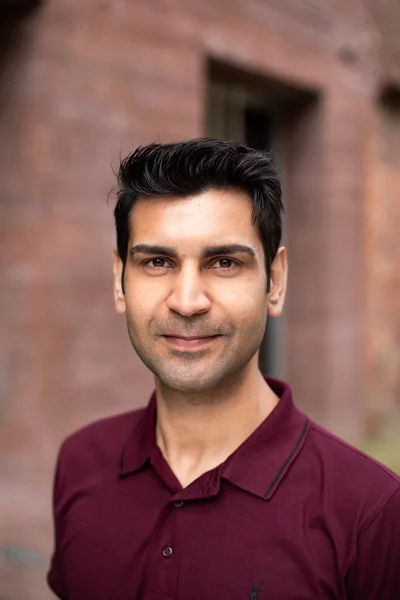
| Hassan.Ali(at)hnee.de | |
| Telefon | +49 3334 657-432 , +49 176 32004853 |
| Ort | Stadtcampus | Schicklerstrasse 5 | 16225 Eberswalde |
| Raum | 01.201 |
| Sprechzeiten | Nach Vereinbarung |
- Unterstützung der Projektkoordination und organisatorischen Abläufe innerhalb des EIP-Projekts "BoDi"
- Mitwirkung im Finanzmanagement des Projekts, einschließlich Budgetüberwachung, Mittelverwaltung und vorbereitender Abrechnungsprozesse
- Vorbereitung, Moderation und Nachbereitung von Projektmeetings sowie Erstellung detaillierter Protokolle
- Aufbereitung und Kommunikation von Projektergebnissen für unterschiedliche Zielgruppen (z. B. Landwirte, Forschungspartner)
- Mitwirkung bei der Erstellung von Berichten, Präsentationen und wissenschaftsnahen Inhalten
- Unterstützung bei der Organisation von Veranstaltungen, Workshops und Netzwerkaktivitäten im Rahmen der EIP-AGRI-Initiative
- Förderung des Wissenstransfers zwischen Forschung und landwirtschaftlicher Praxis
Bodensensorbasiert optimiertes Düngungsmanagement als interoperable landwirtschaftliche Dienstleistung "BoDi"
Am 1. Januar 2025 startet das Nachfolgeprojekt BoDi – Bodensensorbasiert optimiertes Düngungsmanagement als interoperable landwirtschaftliche Dienstleistung, das mit einer Förderung von 3,89 Mio. Euro auf vier Jahre ausgelegt ist. Aufbauend auf den Ergebnissen des TONIA-Projekts zielt BoDi darauf ab, Brandenburgs Landwirtschaft bei der Bewältigung heterogener Standortbedingungen und klimatischer Herausforderungen durch innovative Ansätze im Precision Farming zu unterstützen.
Im Projekt wird ein Softwarepaket zur Düngebedarfsermittlung entwickelt, das Fernerkundungs- und Wetterdaten sowie Bodenfeuchtedaten integriert. Weitere Schwerpunkte sind eine präzise Humusbestimmung und -bewertung, die funktionelle Erweiterung eines Sensor-Prototyps zur Texturkartierung und die Entwicklung eines optimierten Workflows für Bodenproben. Ergänzend sorgt eine cloudbasierte IT-Umgebung für die Interoperabilität mit betrieblichen Systemen und einer neuen Datenverarbeitungs-App. Diese Entwicklungen sollen Nährstoffverluste reduzieren, Betriebskosten senken und gleichzeitig Erträge steigern.
Als Wissenschaftlicher Mitarbeiter bin ich im Projekt für Forschung und Entwicklung (F&E), Wissensvermittlung sowie Projektmanagement und -koordination verantwortlich. Meine Aufgaben umfassen die Mitwirkung an der Entwicklung innovativer Lösungen, die Organisation von Workshops, die Koordination zwischen Partnerinstitutionen und die Begleitung der praktischen Umsetzung der entwickelten Technologien.
Teilflächendifferenziert-optimiertes Nährstoffmanagement im Ackerbau (TONIA)
Das TONIA-Projekt hatte das Ziel, das Nährstoffmanagement in der Landwirtschaft durch den Einsatz hochaufgelöster Düngebedarfskarten zu optimieren. Dabei wurden Methoden entwickelt, um Erträge zu stabilisieren, Betriebskosten zu senken und Umweltbelastungen zu minimieren. Dieses innovative Projekt wurde erfolgreich abgeschlossen und legte die Grundlage für zukünftige Forschungs- und Entwicklungsarbeiten.
Im Rahmen meiner Tätigkeit als Projektkoordinator koordinierte ich das Team und die Projektaktivitäten, unterstützte das Forschungsteam bei der Durchführung von Forschungsarbeiten, verfasste Zwischenberichte, führte Feldarbeit durch, kontrollierte Finanzen und Verwaltung und fungierte als Vermittler zwischen Geldgebern und Partnern.
Das TONIA-Team hat sich erfolgreich am ersten Fördermittelaufruf der Europäischen Innovationspartnerschaft für Produktivität und Nachhaltigkeit in der Landwirtschaft („EIP-AGRI“) beteiligt: Am 1.1.25 startet das Folgeprojekt BoDi – Bodensensorbasiert optimiertes Düngungsmanagement als interoperable landwirtschaftliche Dienstleistung.
Master in International Tourism Management
Masterabschluss in „International Tourism Management“ an der Fachhochschule Westküste.
Masterarbeit: The role of supply-side stakeholders in sustainable
tourism competitiveness; A case study of Swat Pakistan
Lecturer in Tourism and Hosptiality Management
– Durchführung von Vorlesungen und Seminaren zu verschiedenen Themen des Tourismus- und Hotelmanagements für Studierende im Bachelorstudiengang.
– Erstellung von Lehrmaterialien, Prüfungsleistungen und Lernaktivitäten zur Förderung der aktiven Mitarbeit und des Studienerfolgs.
– Fachliche Beratung und Betreuung der Studierenden zur Unterstützung ihrer akademischen, persönlichen und beruflichen Entwicklung.
Bachelor in Cultural Heritage and Tourism Management
Bachelor-Abschluss in Cultural Heritage and Tourism Management mit Schwerpunkt Tourism and Hospitality Management an der University of Swat.
Bachelorarbeit: Factors affecting customers' retention: A case study of restaurants in Mingora, Pakistan
Higher Secondary Schooling, Faculty of Science (Pre-Medical)
Die Allgemeine Hochschulreife (Abitur) wurde am Govt. Jahanzeb College Saidu Sharif, Swat erworben, mit dem Schwerpunkt Science (Pre-Medical). Diese Bildung legte einen besonderen Fokus auf naturwissenschaftliche Fächer und bot eine fundierte Grundlage für weiterführende akademische und berufliche Entwicklungen.
Metric (Secondary Schooling)
Ich absolvierte meine Schulbildung an der Iqra School and College Kanju Swat, von der Vorschule bis zur 10. Klasse. Der Unterricht erfolgte bilingual in Englisch und Urdu. Im Rahmen meines Abschlusses, dem "Metric", wählte ich Naturwissenschaften als Schwerpunkt und legte damit den Grundstein für meine weitere akademische und berufliche Laufbahn.
The Holocaust Memorial and Upsides of Dark Tourism in the Modern Times
Dark tourism sites have contributed considerably to developing a specific destination’s social and economic apparatus. Predominantly, for countries with an extensive history of conflicts and wars, dark tourism emerged as a pivotal typology, offering an avenue to transform the bitter tragedies of the past into a tourism product. This study ascertains the potential advantages of dark tourism at Berlin’s Holocaust Memorial, primarily considering the social, educational, psychological, and economic possibilities. As an unhappy place to contemplate and remember the atrocities perpetrated during WWII, the Holocaust Memorial—officially the Memorial to the Murdered Jews of Europe—is the focus of the research. On a societal level, examine victims and how the memorial could help spread understanding and compassion by immersing visitors, particularly in the victims’ pain. From an educational perspective, this study intends to examine its potential to provide a thorough historical context and encourage critical thinking regarding the outcomes of bigotry and prejudice. From a psychological side, the study aims to investigate the memorial’s potential as a healing place for dealing with loss and pain while simultaneously fostering optimism and perseverance. The researchers explore the site’s potential to improve social showiness, educational possibilities, and the local economy to attract tourists and solidarity with the affected community. The study also seeks to emphasize the possible importance of the site as a dark tourism site in modern times by showcasing its function in fostering understanding, sympathetic awareness, and respect for human rights. The study also serves as a guideline for several stakeholders associated directly or indirectly with the determinants of dark tourism by providing several implications.
Nexus of cultural heritage sustainability, gender equality, and tourism in Swat
In acquiescence to the United Nations Sustainable Development Goals 2015-2030, gender equality, primarily in tourism, is foreseen as a passport for inclusive and holistic societies and, eventually, a way forward for a sustainable tourism agenda. However, owing to specific disparities, predominantly on socio-economical, socio-geographical, and socio-technological grounds, the duality of gender equality, cultural heritage, and sustainable tourism differentiates massively. This study has corroborated this trilateral nexus and unveiled several themes that highlight the potential and constraints of gender equality in the context of Swat Pakistan. Themes include Norms and Gender Discrimination, Lack of Training and Education, Limited Financial Resources, Women’s Contribution to Cultural Heritage Tourism, and Strategies for Enhancing Gender Equality. Accordingly, implications and future avenues are provided. Keywords: Heritage; Sustainability; Gender equality; Swat; Pakistan.
Heritage and terrorism have attained global attention amid a massive surge in terrorist attempts on several heritage sites in different countries. Several heritage sites in Pakistan and Afghanistan during their militancy campaigns have been targeted. Likewise, in Syria and Iraq, the heritage has been targeted by terrorist activities. It is believed that such activities result in adverse consequences for the heritage sites. Therefore, this study explores the complex impact of terrorism on heritage and the motivation behind these attacks, ranging from ideological extremism and symbolic representation to economic gains by looting and smuggling heritage properties. Focusing on case studies and scholarly research, with general content analysis, this study highlights five heritage sites of Bamiyan Buddha, Jahanabad Buddha, Palmyra, Nimrud, and Mosul, which were affected by terrorist activities. In addition, the study discusses the consequences of the devastation of cultural heritage sites on local communities and tourism. It highlights the urgent need for proactive measures, including improved safety, stakeholder engagement, and collaboration to protect these unique cultural treasures for future generations. Keywords: Terrorism; Cultural Heritage; Threat 3; Tourism 4; Case Studies.
Tourism diplomacy is utilising tourism to intensify bilateral and multilateral ties between states. This study corroborates the Malaysian strategy of benefitting from tourism diplomacy, enabling this Southeast destination to compete among leading destinations in the region and worldwide. Embarking on the potential of tourism, the stakeholders of Malaysian tourism have envisioned tourism diplomacy as another avenue to further develop tourism in the context of regional and international relations. While analysing the secondary data, this study discusses Malaysia's approach to benefit from the eventualities of tourism diplomacy. Secondary data was collected through Google searches using the terms "tourism diplomacy in Malaysia" and "tourism diplomacy as a dynamic tool." The data was analysed using content analysis. The findings provide insight into how tourism diplomacy has been utilised as a tool for promoting the tourism potential of this country, on the one hand, and strengthening international relations on the other. The study concludes with theoretical and practical implications.
Precision nutrient management as an interoperable agricultural service
This poster " Precision nutrient management as an interoperable agricultural service" is a soil sensor–based precision nutrient management system that optimizes fertilization (N, P, K, Mg, Ca) to improve yields, cut costs, and reduce environmental impacts. It was presented at the EU CAP Network Brokerage Event “Partnering for Innovation with Impact in Agriculture and Rural Areas” (29–30 April 2025), which connects researchers, farmers, and innovators to build partnerships for sustainable agricultural projects