

Research Strategy and Research Priorities
At HNEE, we view research as an active contribution to solving pressing global crises. Our research strategy serves as a compass to enable a life of dignity within planetary boundaries and to actively shape change in the environment, technology, the economy and society.
By 2030, we aim to establish a leading reputation in applied sustainability research. In doing so, we focus on three core commitments:
- Solution-oriented approach: developing concrete answers to complex sustainability problems.
- Space for discourse: A platform for shaping social and technical transformation.
- Visibility: Pooling expertise to establish a strong national and international presence.
Key research areas at HNEE
Responsible land use for resilient ecosystems
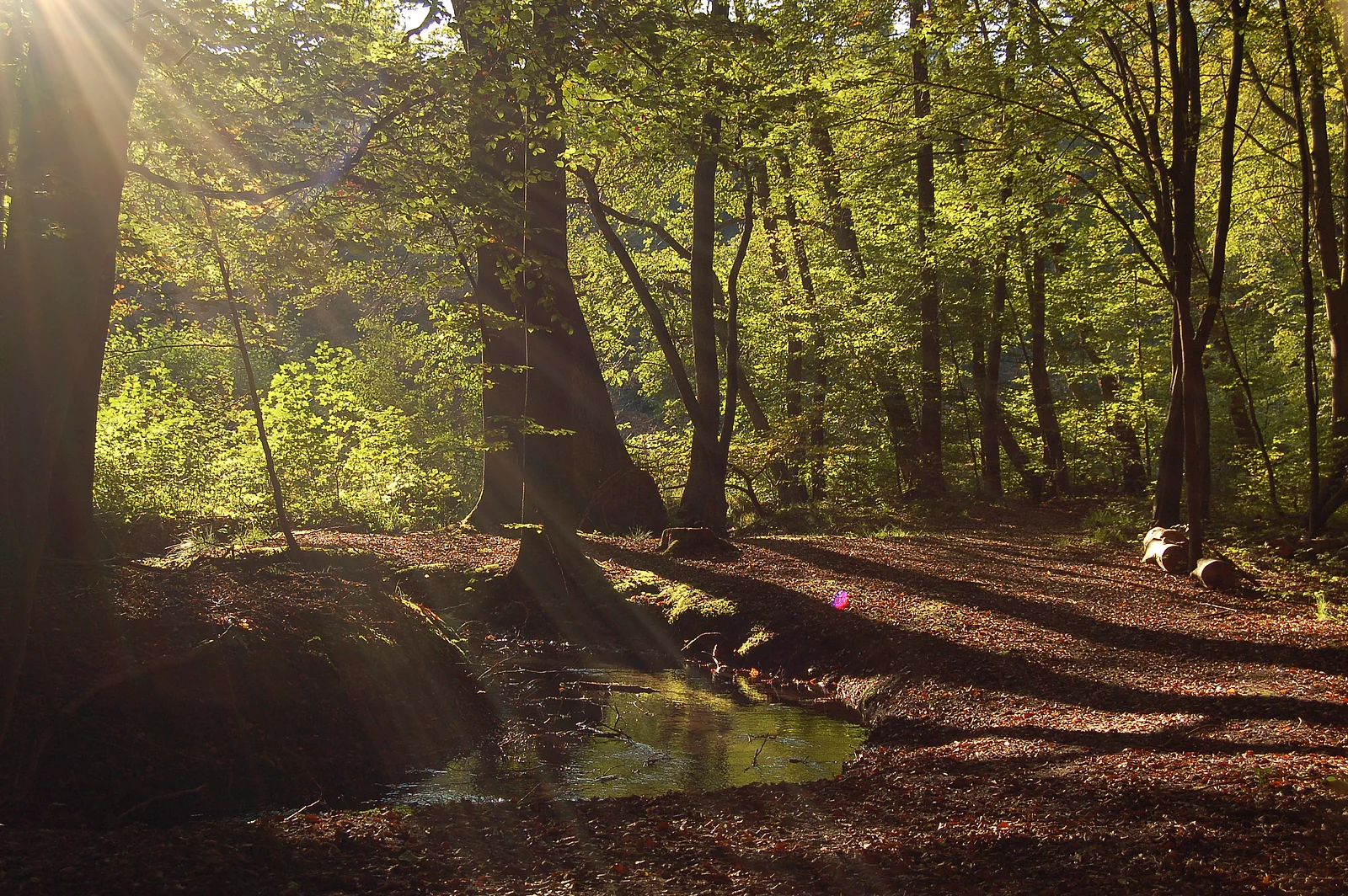
Within its research priority area of ‘responsible land use for resilient ecosystems’, the HNEE focuses on the sustainable use and development of various landscape types, such as forests, open land, peatlands and biosphere reserves. Our scientific activities combine both transfer and application-oriented approaches: on the one hand, innovative findings and solutions are developed in close collaboration with stakeholders from the field, administration, politics and civil society, and transferred to various contexts. On the other hand, the focus is on concrete land-use options and strategies that address both local specificities and global challenges.
The aim is to design land-use systems on a scientific basis that strengthen ecological resilience, preserve biodiversity and, at the same time, take social and economic requirements into account. The research ranges from regional applied projects to participation in national and international networks. In this way, the HNEE makes an effective contribution to the sustainable management of natural resources and promotes the sustainable development of ecosystems at various levels of action.
Economic Management in the Socio-Ecological Transition
In its research focus area ‘Economics in the Socio-Ecological Transformation’, the HNEE examines how ecological sustainability and social justice can be strengthened as guiding principles of economic activity. In doing so, it researches and develops approaches for a resource-efficient, participatory and future-oriented economy. The focus includes new business models, alternative value chains and forms of collaboration that enable social change. In its research, the HNEE combines disciplinary, interdisciplinary and transdisciplinary perspectives and actively involves all relevant social groups in the processes.
The aim is to provide practical knowledge and innovative solutions for a sustainable transformation of the economy.
Taking the entire value chain into account supports the goal of balancing social, ecological and economic aspects. In this way, the HNEE actively contributes to ensuring that the transformation of the economy and society towards greater sustainability and resilience takes place in a practical and future-oriented manner.
Cooperation between industry and academia and the transfer of scientific findings to business and society are at the heart of all activities – always with clear sustainability goals and a description of the intended positive impacts.
Our research is interdisciplinary, collaborative and open
Our strategy is implemented through close integration of research and practice. We foster methodological diversity and are constantly broadening our scope beyond the core themes of sustainability.
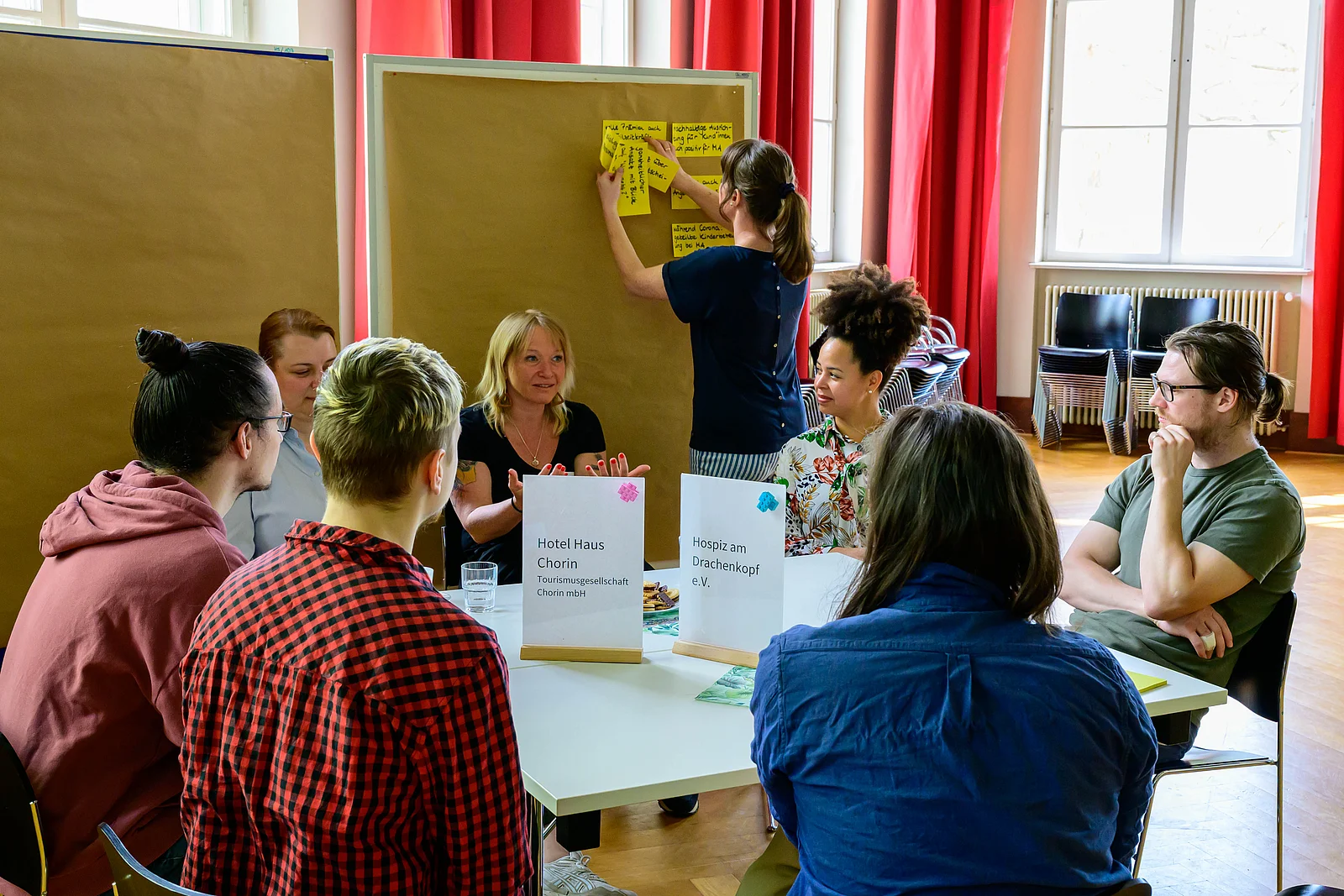
- Transdisciplinary cooperation: We work on an equal footing with politics, public administration, business and civil society to develop stakeholder-oriented solutions with a concrete spatial focus.
- Integration of research and transfer: Our research findings are directly applied in practice. National and international collaborative projects (EU/Federal) ensure our global connectivity.
- Supporting the next generation: Sustainability research serves equally as a tool for training and developing the next generation of researchers.
- Global anchoring: Our work addresses over 63 sub-goals of the UN Sustainable Development Goals (SDGs) and is guided by the European Green Deal and the national bioeconomy strategy.
Previous research priorities
Sustainable development of rural areas
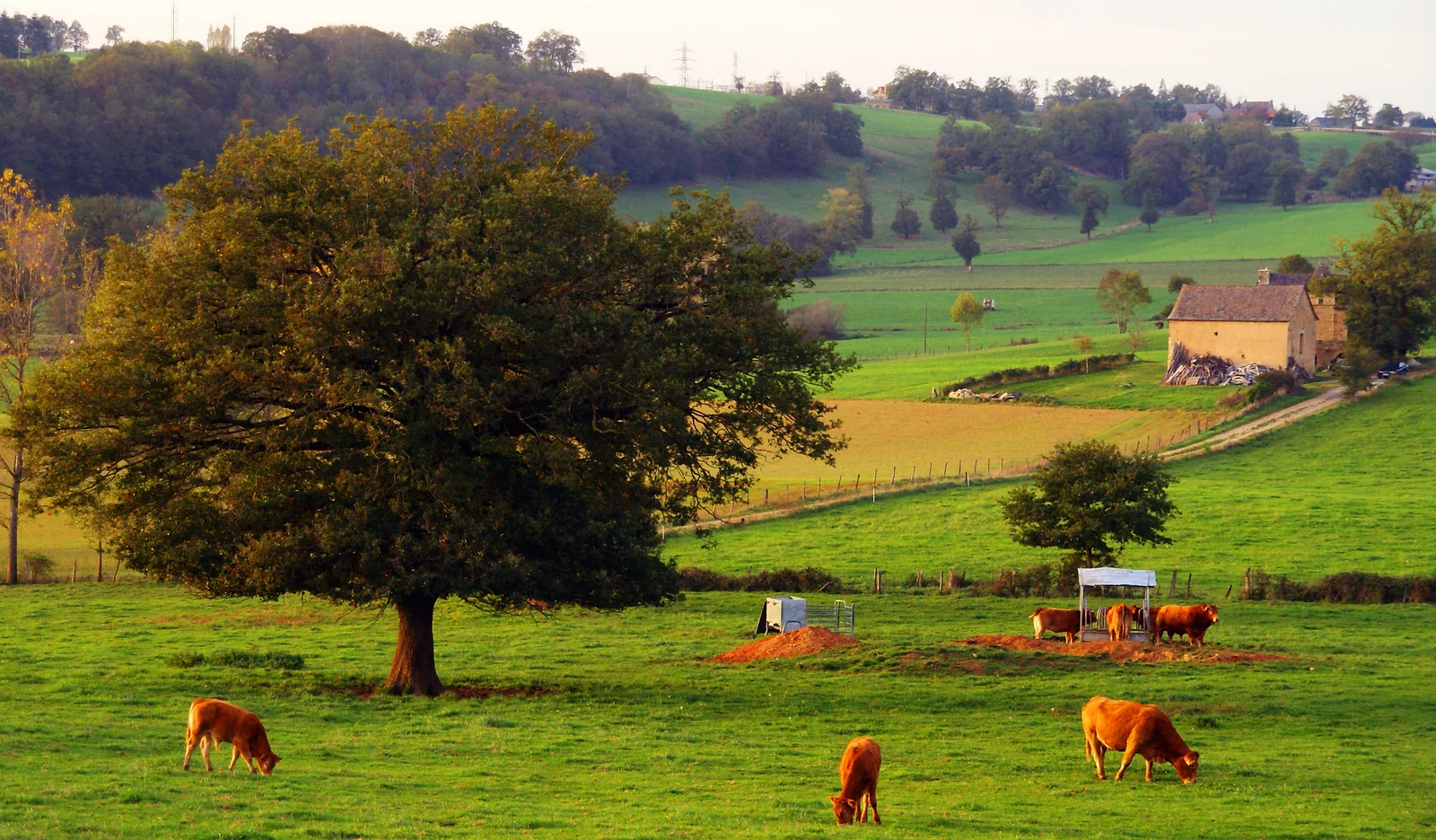
The focus is on analysing and monitoring the sustainable, region-specific development of rural areas against the backdrop of global change (climate, demographics, loss of species, etc.). The focus is on various land uses from agriculture and Forestry, regional management to nature conservation. Central topics are the research areas of landscape, landscape and forest management with different forms of sustainable land management.
Sustainable production and utilisation of natural materials
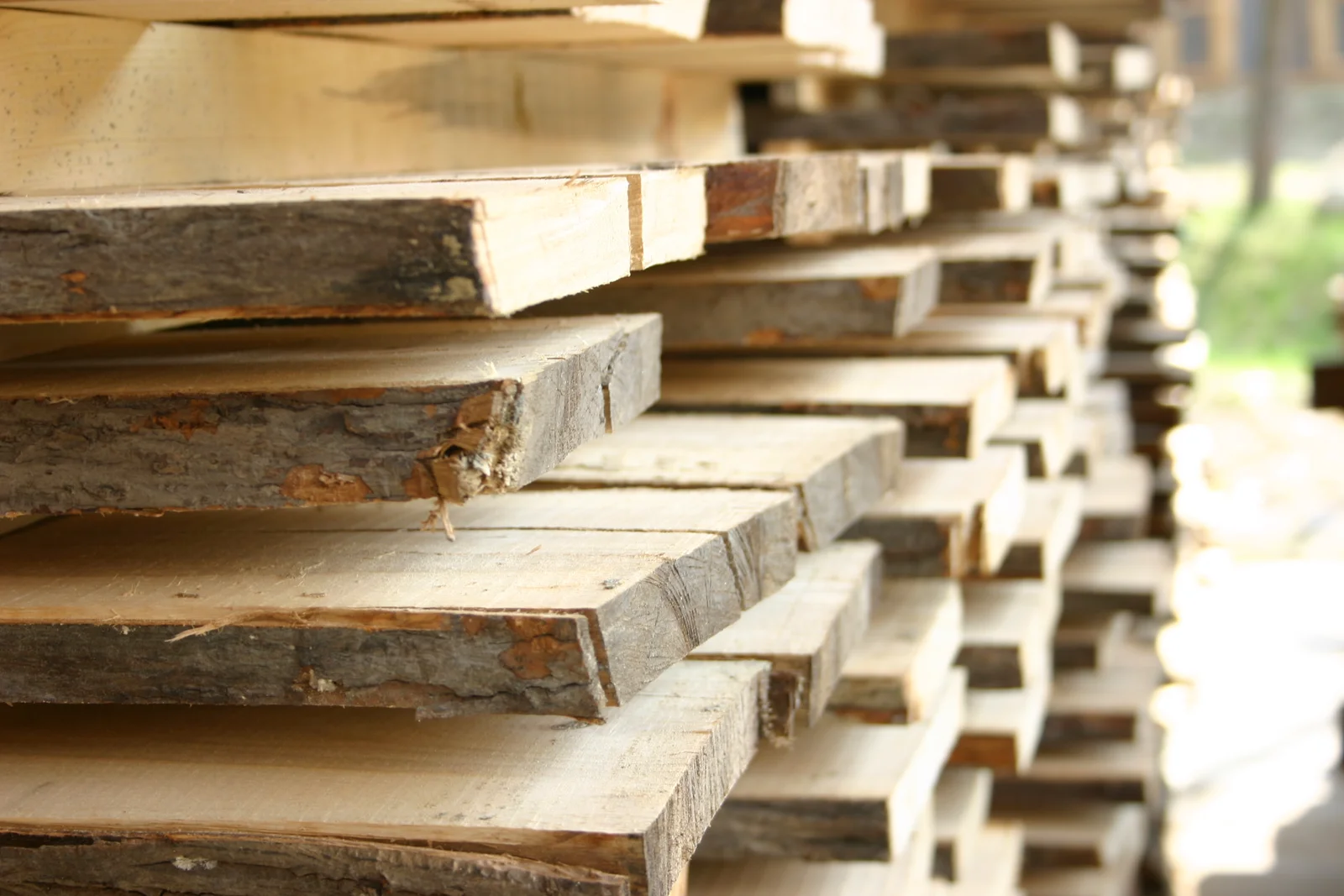
Lignocellulose materials, including wood in particular, are characterised, described and modified using modern testing and investigation methods in wood biology, wood physics and wood chemistry. Research is also being conducted into process engineering, mechatronics and process and product development along operational value-added chains. New possibilities are being opened up in modern timber construction - also through the use of modern timber-based materials.
Sustainable management of limited resources
The social science and economic perspective of (1) society with its demands on and framework for land use, (2) sustainable economics, corporate responsibility, corporate development and management, (3) sustainable tourism, (4) environmental governance, transformation and economics is being researched. The areas are united by the development of sustainability-orientated approaches to dealing with limited resources in the context of rural areas and sustainable economic systems.
Professorship in Animal Husbandry in Organic Farming, Vice-President for Research and Transfer
Head of InnoSupport: Research | Start-ups | Technology Transfer