RANGER - Shaping the Future of Protected Area Management
Research project
01/2023 - 02/2027
Project volume:359.814 EURO
Competence field:Ecology, Biosphere reserves & protected areas, Education for sustainable development
Cooperation:Strategic cooperation, Practical partnership
Funding partner:State funding, Foundation funding
Department:Biosphere Reserves Institute
The loss of biological diversity is progressing globally and also in Germany. In order to be able to effectively counteract the dramatic extinction of species, more protected areas are needed and professional management of these areas is also needed. More and more federal states are therefore starting to entrust rangers with the full-time care of protected areas. The project RANGER – shaping the future of protected area management will develop an overview of the current status of protected area management in Germany and test new innovations in order to further professionalize this field of work.
The aim of the project is to support the actors responsible for the management of protected areas in Germany in the expansion and improvement of area management systems and to adapt the relevant training courses to current needs.
As part of the project, the following measures will be implemented:
- Preparation of a nationwide study on the current situation of protected area management of all area categories
- Development of best practice examples and recommendations for protecting protected areas in a participatory process
- Testing of management innovations in protected area management together with five protected area administrations
The project can also be found on the website of the Federal Agency for Nature Conservation, where the press release on the project launch is available.
Contact
Project manager
Prof. Dr. Erik AschenbrandProfessor of International Nature Conservation and Socio-Ecological Sustainability Processes in UNESCO Biosphere Reserves
General contact
Judith Kloiber Lena Stumpf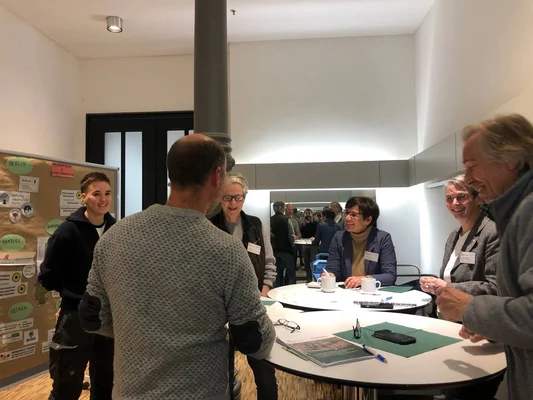
Over 45 responsible actors took part in discussions on the future direction of protected area management in Germany.
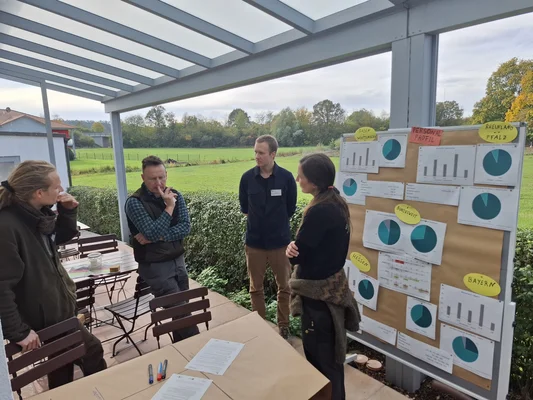
In addition to representatives from 15 of the 16 federal states, the umbrella organisations Nationale Naturlandschaften e.V., Verband Deutscher Naturparke e.V., and the Bundesverband Naturwacht e.V. also actively participated.
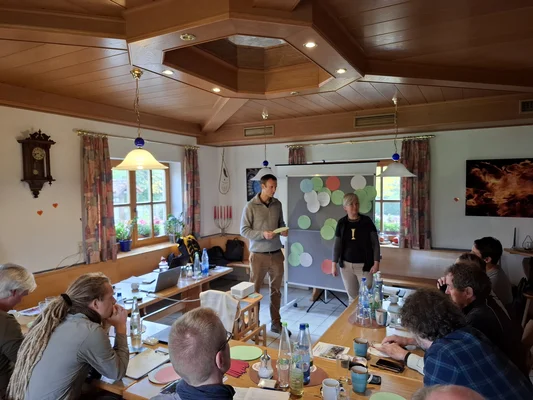
The aim of the workshops was to gather initial ideas, needs, and approaches for the (further) development of quality criteria for sustainable protected area management.
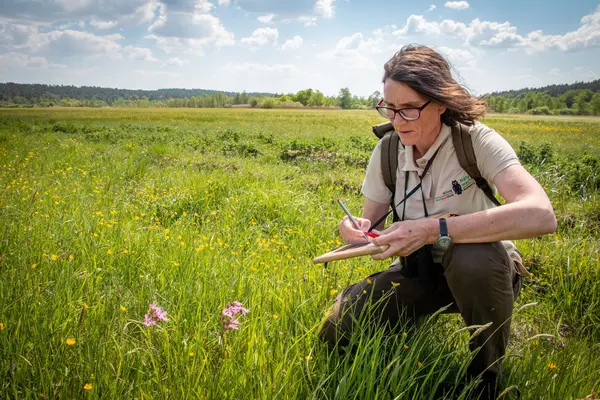
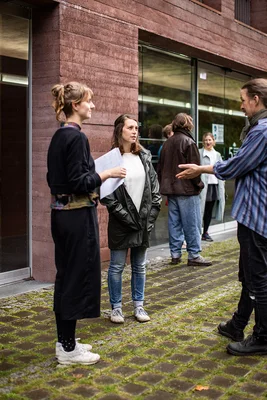
The diverse range of tasks includes monitoring, practical conservation work, education, public relations, guest services, as well as supervision and area management.
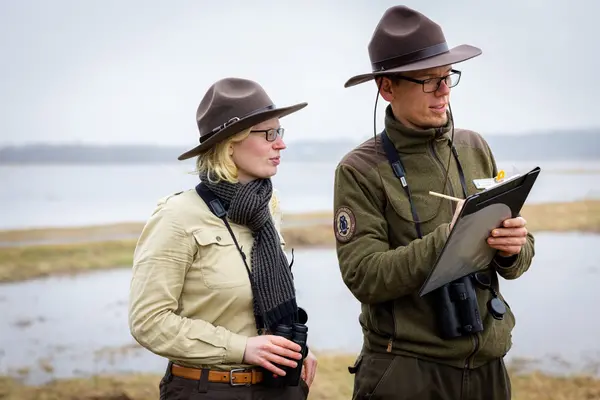
When filling ranger positions, a balanced gender ratio is increasingly common.
Project Update
At the start of the project, a comprehensive overview of the current situation regarding protected area management in Germany was compiled. The focus was on the question of how protected area management is structured and organised and to what extent it is carried out nationwide. For quantitative data collection, a Germany-wide online survey was conducted between May 2023 and May 2024. More than 170 areas or responsible institutions took part.
To deepen and classify these results qualitatively, guided interviews were also conducted with experts from all federal states (n=25) between November 2023 and May 2024. The aim was to systematically record country-specific strategies, conceptual approaches and future prospects for protected area management.
Based on these findings, three regionally distributed workshops were held in autumn 2024 (September, October, December) to discuss the future direction of protected area management in Germany in a participatory setting. A total of over 45 stakeholders participated, including representatives from 15 federal states and the umbrella organisations Nationale Naturlandschaften e.V., Verband Deutscher Naturparke e.V. (Association of German Nature Parks) and Bundesverband Naturwacht e.V. (Federal Association of Nature Conservation). The workshops served to jointly identify development needs, initial solutions and the (further) development of quality criteria for sustainable protected area management.
In order to transfer the insights gained there into a practical context, the Bavarian Forest and Lower Saxony Wadden Sea National Parks and the Black Forest, Elbe River Landscape M-V and Schaalsee Biosphere Reserves or Biosphere Areas were selected as pilot areas. These represent a nationwide, geographically diverse selection within the National Natural Landscapes. In close cooperation with the respective areas, site-specific challenges are analysed, solutions developed and concrete measures for optimising protected area management supported.
At the same time, the study "Protected Area Management in Germany – Status Quo 2023" was published in a revised second edition. The publication is available for download at the following link: RANGER Study
Further publications are also in preparation: the results of online surveys, interviews, workshops and work in the pilot regions are currently being processed and will form the basis for concrete recommendations for action to further develop protected area management in Germany. These recommendations are to be practice-oriented and, at the same time, adaptable to different protected area categories as well as regional and organisational conditions. The aim is to support those responsible in administration and politics in improving structural and content-related framework conditions, to enable specialist political positioning and to further advance the professionalisation of the ranger profession.
Our survey of all large protected areas in Germany shows that, although the number of rangers has increased in recent years, their tasks have also grown more extensive, and satisfactory management of protected areas is still a long way off.
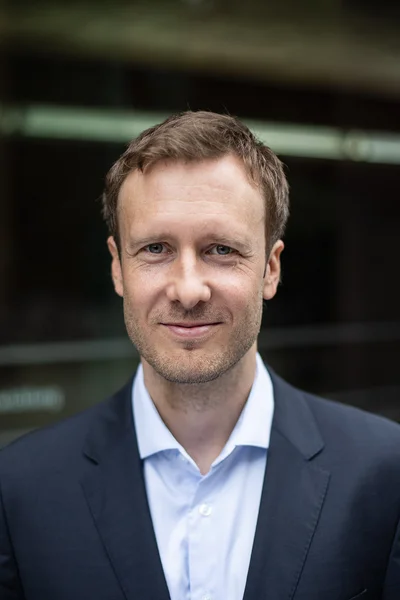
Professor Erik Aschenbrand
project management
Funding Partner
Federal Funds
Foundation
Collaborations
Strategic Partnerships


Practical Partnerships