DAAD East-West-Dialogue Programme 2018
Research project
01/2018 - 12/2018
Competence field:Sustainable forest management, Sustainable ecosystem management
Cooperation:Strategic cooperation
Funding partner:State funding
Department:Department Wald - Holz - Umwelt
Sustainably securing relevant ecosystem services through international cooperation as a contribution to conflict prevention and regional stabilisation in Eastern Europe
Sustainably used ecosystems are able to provide a wide range of relevant services for people, as e.g. flooding control, clean drinking water, and timber. These services contribute substantially to the security (also security of supply) of people in the often ruderal border regions. The provision of natural resources also serves as a long-term source of income as for example through sustainable tourism. Therefore, the ecosystems of these regions have a relevant impact on the well-being of the local and regional population and can increase the resilience of the region. Hence they can have a stabilising affect, thus contribute to conflict prevention.
Contact
Project manager
Prof. Dr. Pierre L. IbischProfessor of Socio-Ecology of Forest Ecosystems
General contact
Angela Dichte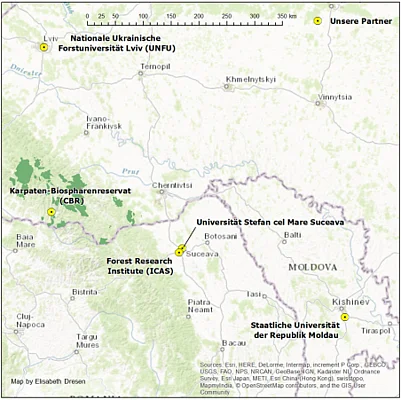
The border region of Western Ukraine, Romania and Moldova serves as the focus region for a situation analysis and the development of strategic options. Due to its diverse ecosystems and its respective provisioning and regulating ecosystem services, this focus region plays a central role for a sustainable ecosystem‑based development that can only be effectively achieved in border‑crossing collaboration.
Partner institutions of all three countries are involved in the implementation of the project activities.
The project is composed of two measures:
- a study trip in the region (May 2018)
- a workshop (autumn 2018) in the focus region
Furthermore it integrates:
- two research stays (one junior and one senior researcher from Ukraine) in German border regions
- two study visits of German students in the focus region
Study Trip
From 11 May till 20 May 2018, a study trip with international master and bachelor students from Eberswalde University for Sustainable Development and Ukrainian National Forestry University together with project partners from all three partner countries took place in Western Ukraine and Northern Romania.
The UNESCO World Heritage Committee's approval of the extension and transformation of the “Primeval Beech Forests of the Carpathians and the Ancient Beech Forests of Germany, Slovakia and Ukraine” to “Ancient and Primeval Beech Forests of the Carpathians and Other Regions of Europe” on July 7th 2017, now including 78 component parts in 45 protected areas in 12 countries (find more about it here), was taken as an occasion to visit some of the new and old parts and to discuss further needs and opportunities of transboundary cooperation.
The group visited four sites of the world heritage serial in:
- Roztochya Biosphere Reserve
- Svydovets massif of the Carpathian Biosphere Reserve
- Uholka-Shyrokyi Luh massif of the Carpathian Biosphere Reserve
- Strâmbu-Bâiut forests in Romania
At each site the group had the chance to talk to representatives about the current situation, possible conflicts, strategies for conflict prevention, problem solving, and much more. To enrich these meetings the group also had been able to experience the different sites, guided by scientists, which provided the students with detailed answers to their various questions. Beyond the discussions with the different representatives the group had also the opportunity to talk to locals.
Furthermore, the group visited the Bukovel and Dragobrat ski resorts, whose ongoing expansions are threatening the surrounding ecosystems, as well as parts of an area that is planned to get converted into an even bigger ski resort on the Svydovets massif (for more information see here) – with some of the areas being adjacent to beech forest World Heritage Sites.
During the trip, several input and discussion sessions were hold along the way and in joint rounds of talks. The movie "Lopukhovo" was shown and led to a very vivid discussion about the current situation of Ukraine. Our Moldovan partners introduced us to the current situation in Moldova by giving a presentation and mentioned that plans exist to build water power plants on the Ukrainian side, which would also have a heavy impact on the Moldovan ecosystems. That once more showed how important it is to build transboundary cooperation in the area. And last but not least, Ms Catalina Bogdan as director of the Maramureş Mountains Nature Park visited the group to present the development and the current situation of the park, which again led to a joint discussion about future opportunities for transboundary cooperation for conservation and sustainable regional development.
Here you find some first impressions of this very succesful and intense week:
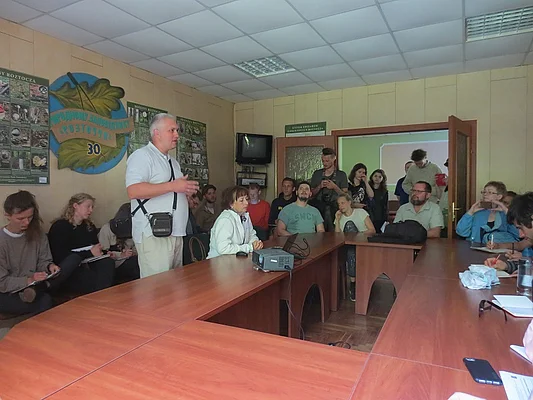
Roztochya Biosphere Reserve, Ukraine - Introduction and joint discussion with deputy director H. Stryamets
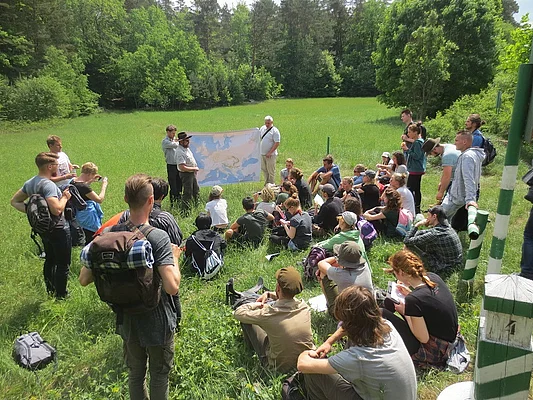
Roztochya Biosphere Reserve, Ukraine - Introduction to the UNESCO World Heritage European Beech Forests by Pierre Ibisch
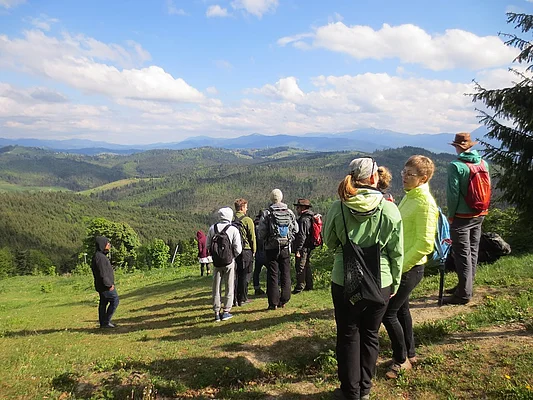
South of Bukovel ski resort, Ukraine - A short hike to get an impression of the ecological impact
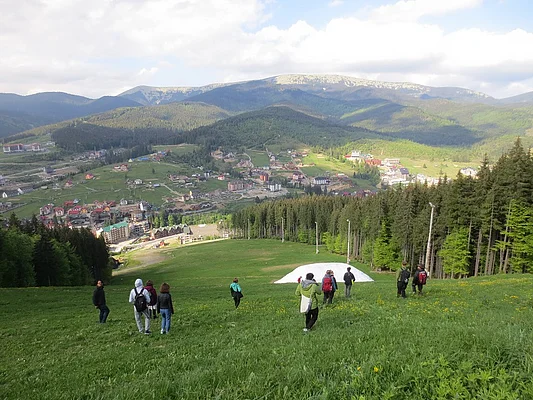
Bukovel ski resort, Ukraine - Overview
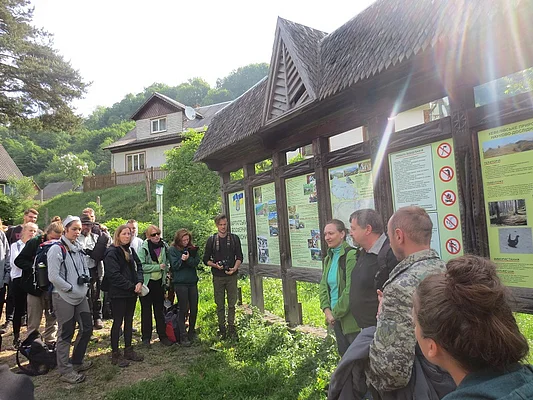
Entrance to Carpathian Biosphere Reserve north of Kvasy, Ukraine - Introduction by V. Pokynchereda
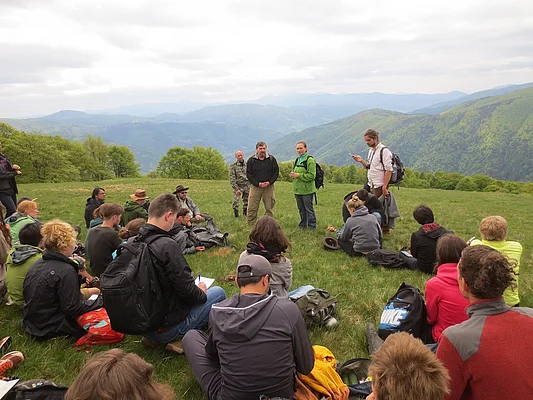
Poloninya north-west of Kvasy, Ukraine - Introduction by V. Pokynchereda
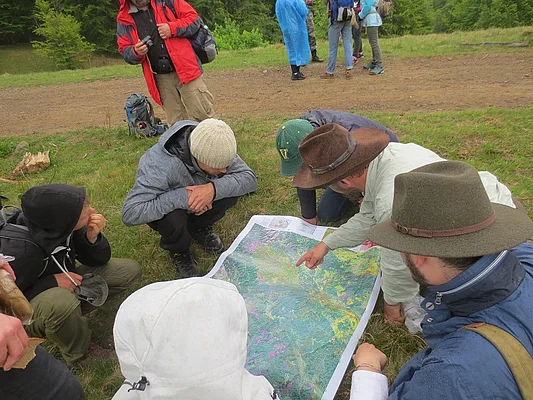
North-west of Kvasy, Ukraine - Joint exploration of the new transboundary project map
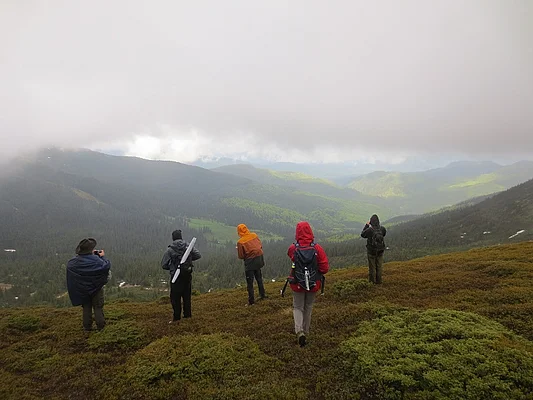
North of Kvasy, Ukraine - One of the valleys that are under threat of a currently planned ski resort
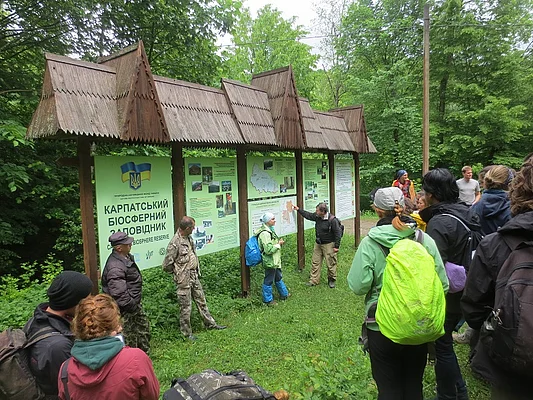
Entrance to Uholka-Schyrokyi Luh primeval beech forest, Ukraine (since 2007 UNESCO World Heritage Beech Forests component part) - Introduction by V. Pokynchereda
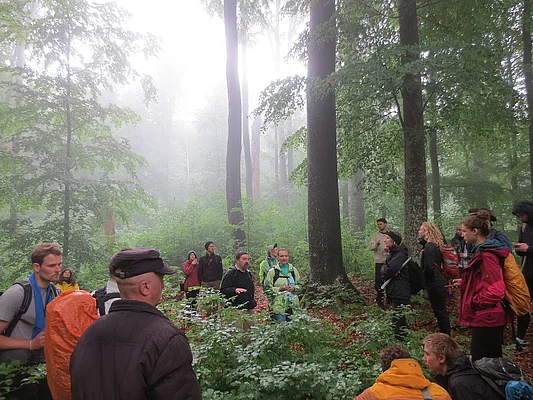
Uholka-Schyrokyi Luh primeval beech forest, Ukraine
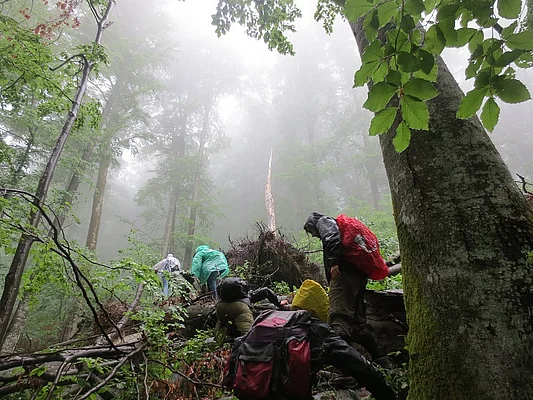
Uholka-Schyrokyi Luh primeval beech forest, Ukraine
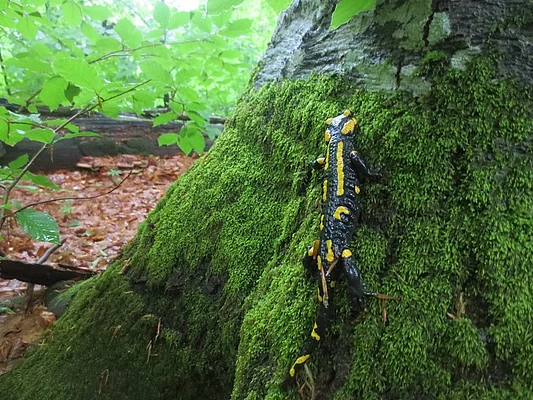
Uholka-Schyrokyi Luh primeval beech forest, Ukraine - Salamandra salamandra
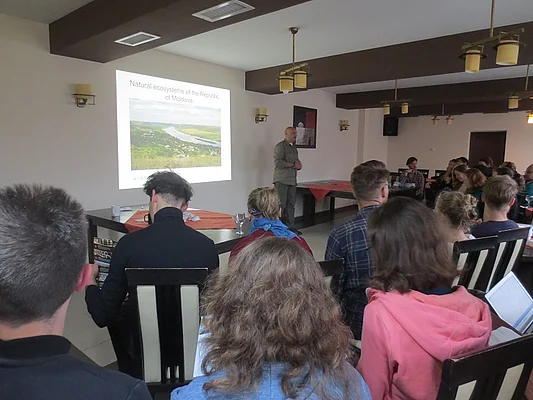
Cavnic, Romania - Presentation and joint discussion about Moldovan ecosystem-based conservation with V. Purcic
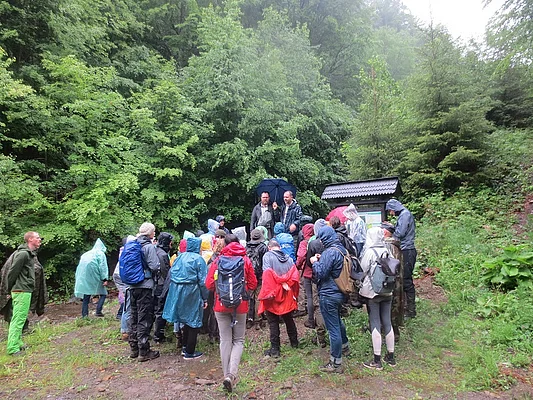
Strâmbu-Băiuț, Romania - Introduction by M. Teodosiu
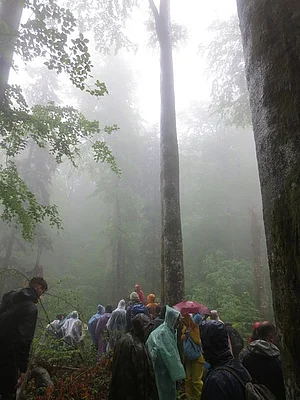
Strâmbu-Băiuț, Romania - One of the new UNESCO World Heritage Beech Forest component parts, since 2017
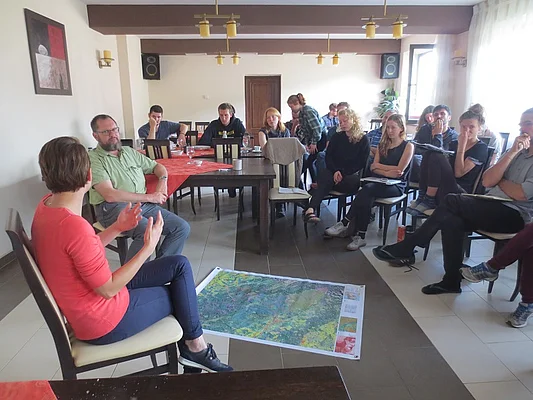
Cavnic, Romania - Joint discussion with C. Bogdan as director of Maramureș Mountains Natural Park
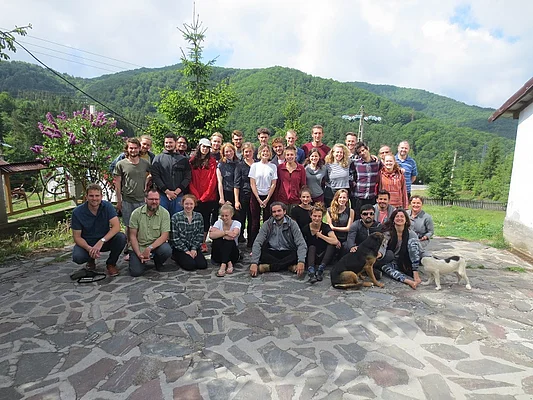
Cavnic, Romania - Group picture
Conference & Workshop
On 25 October 2018, the Centre for Econics and Ecosystem Management and its partners from Ukraine, Romania, and Moldovia as well as experts from different protected areas and NGO`s met for an international conference and workshop on the topic of transboundary cooperation. This should also involve the question on how the use of the ecosystem services concept might help to protect ecosystem functionality and to stabilise the border region. The conference took place at the Carpathian Biosphere Reserve headquarters in Rakhiv, Ukraine.
The goal of the meeting was to initialise a joint publication on the topic during this day. For this purpose ten presentations were held and discussed. After the input, the group sat together to further discuss the topics and focus on research questions that might structure the paper. This even brought up more and new perspectives and important issues that need to be covered.
It turned out that the topic is so pressing and relevant for the region and the participants that although very fruitful discussions evolved, they unfortunately had to be broken off early due to lack of time. Therefore, it was decided that a first documentation and wrap up of the discussed issues will be compiled, which then can be further processed by all interested parties.
Some impressions of the meeting (pictures by A. Dichte and R. Kopan):
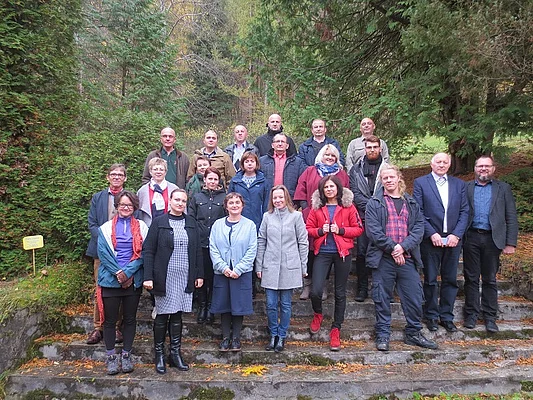
Group picture
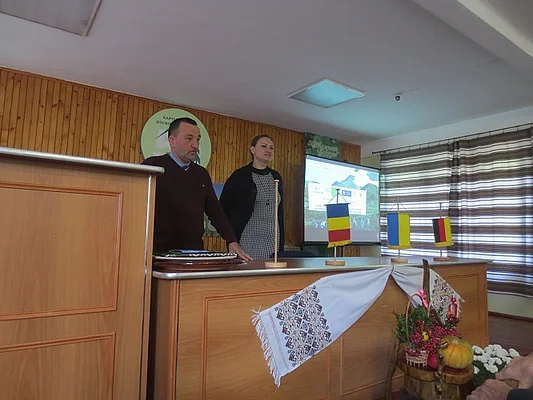
welcome by Mykola Rybak
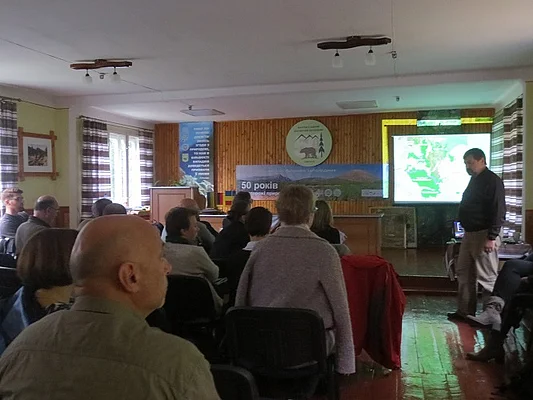
Presentations
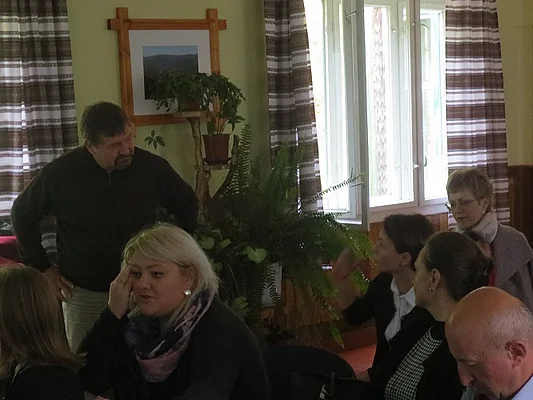
Discussions
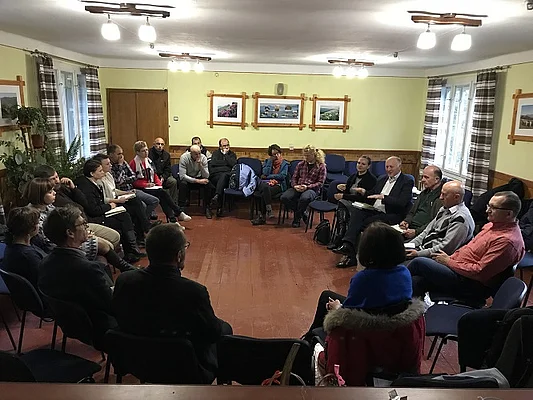
Discussion round
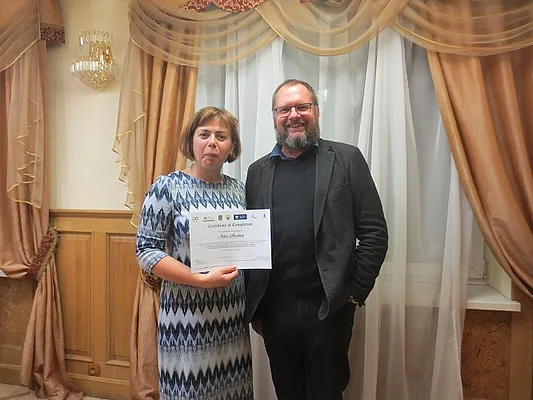
Certificate for scientific research stay in the course of the project
Funding bodies

Partner Institutions