DAAD East-West-Dialogue Programme 2024
Research project
01/2024 - 12/2024
Competence field:Sustainable forest management, Sustainable ecosystem management
Cooperation:Strategic cooperation
Funding partner:State funding
Department:Department Wald - Holz - Umwelt
Fields of Conflict: A Discourse on Socio-Ecological Forest Restoration in Times of War and Multiple Crises
The project aims to establish a comprehensive understanding and shared language within the project consortium to address the multifaceted challenges in the field of forest ecosystem restoration, particularly in times of war and multiple crises leading to a high level of uncertainty and ambiguity in which we have to navigate our actions. Amid the current chaotic situation, particularly in Ukraine and Moldova, where restoration efforts have been stalled due to the war, the project sees an opportunity to pause, reflect, and re-strategise.
Contact
General contact
Angela DichteProject manager
Prof. Dr. Pierre L. IbischProfessor of Socio-Ecology of Forest Ecosystems
Project focus
The new, much-discussed EU Nature Restoration Law highlights the importance of restoration efforts and will serve as a basis for discussion within the project. The project’s timeliness is underscored by global and regional challenges, notably the ongoing Russian invasion of Ukraine, which is causing severe damage and ecological degradation. However, beyond this crisis, the global need for ecological and social restoration due to ecosystem degradation, biodiversity loss, the climate crisis and social injustices is urgent. Therefore, approaches ranging from afforestation to reforestation to pro-forestation will be integrated, reflected upon and situated within the regional context and prioritisation.
Having experienced growth and changes over eight years of follow-up projects, the team recognises the need to consolidate their perspectives and insights to build an even more robust foundation for addressing the complex issues within the project’s scope. With a growing project team, this endeavour presents both opportunities and challenges. The project aims to foster collaboration and mutual learning by embracing the diversity of perspectives among partners. Therefore, the project will focus on in-depth reflection and topic-based partnership development. This will be achieved through on-site analyses and exchanges with experts, practitioners and students from the participating countries. By acknowledging and embracing diverse interpretations, perspectives and priorities, the project seeks to enhance understanding of possible approaches for engaging stakeholders and organising productive discussions, as the partners aim to (re-)engage in restoration activities with a better-prepared and more impactful approach based on the project’s learnings. This effort is geared towards fostering a shared understanding of complex problem situations and establishing a foundation for more effective dialogue and action.
The project’s focal region stretches from western to central Ukraine, with a focus on the Carpathians and along the Prut River to the Danube River, as well as the northern Ukrainian region of Polissia. UNESCO Biosphere Reserves (BRs) are again involved as project partners (2 BRs) and local stakeholders to be visited, with a view to further promoting them in their role as model regions for sustainable development and mutual learning.
Project activities
- study trip to the Romanian Carpathians (instead of Western Ukraine due to the ongoing war against Ukraine) with the participation of academics and students from the HNEE and partner universities, as well as practitioners from biosphere reserves.
- An excursion-based workshop in Germany at Eberswalde University for Sustainable Development, again involving academics, students and representatives of biosphere reserves from all partner institutions.
- Six scholarships are planned for Ukrainian and Moldovan academics as well as German students.
Study trip
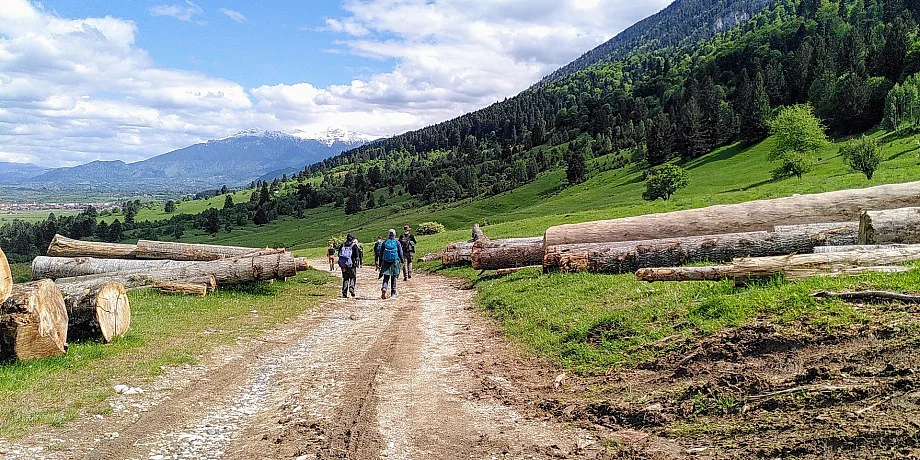
The study trip had to be moved to Romania again this year due to the ongoing Russian war of aggression in Ukraine. A group of 18 Ukrainians (students, lecturers and representatives of biosphere reserves) and 5 Moldovans met the group of students and lecturers from Eberswalde in Brașov in mid-May. Together with a team from the Conservation Carpathia Foundation, they spent the next few days exploring the eastern parts of the Făgăraș Mountains and Piatra Craiului National Park. Here we examined very old and protected forests as well as heavily used and degraded areas, and discussed strategies for restoring healthy ecosystems. However, long-established connections between human use and rich biodiversity can also be found in the diverse cultural landscape of the Carpathians. How these can be further developed in the future was part of the students’ considerations.
Report on the study trip on the Ukrainian National Forest University (UNFU) website (Ukrainian) -> Link
Webpage for the students’ reports at UNFU -> Link
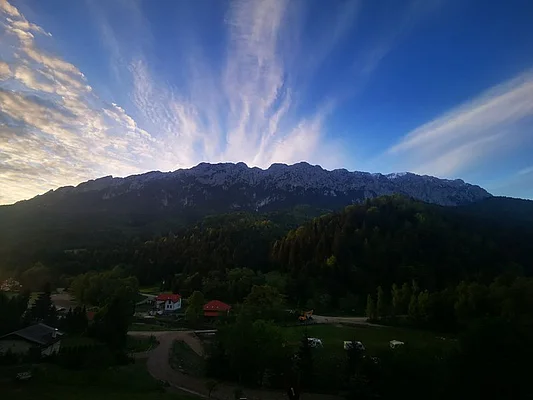
The Piatra Craiului Main Ridge
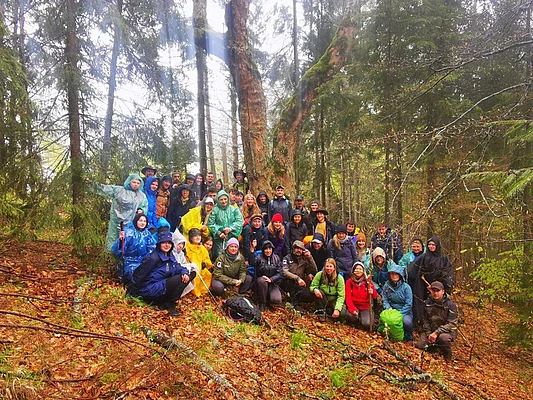
A Rainy Group Picture
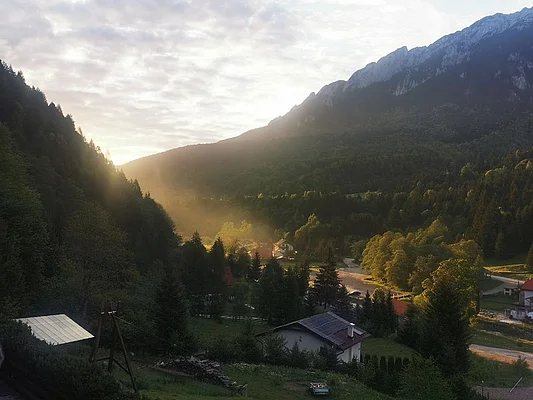
Ausblick
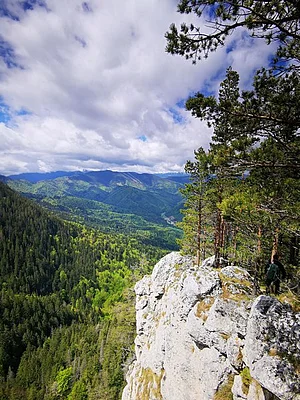
Piatra Craiului Towards Făgăraș Mountains
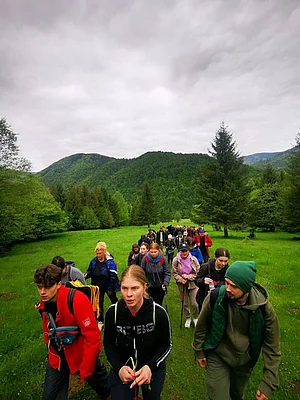
Exkursionsgruppe
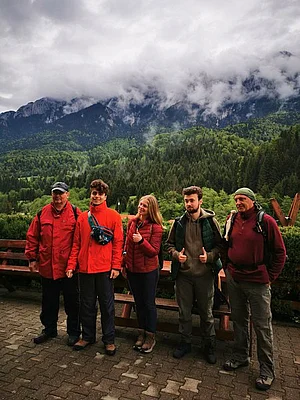
Team Moldova
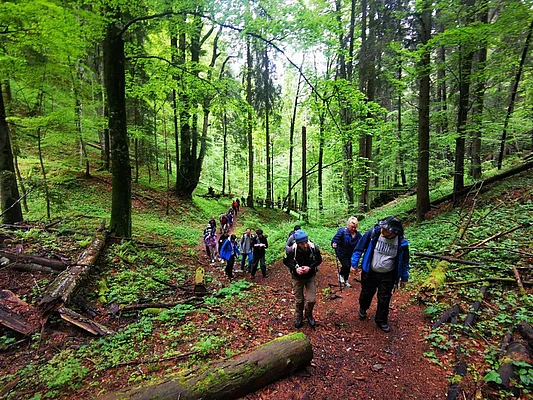
Through the Forest
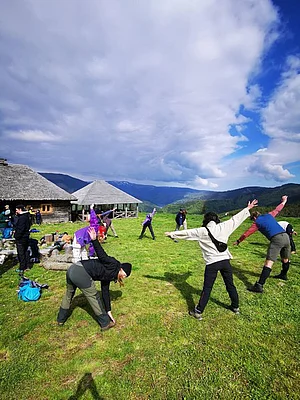
Morning Fitness
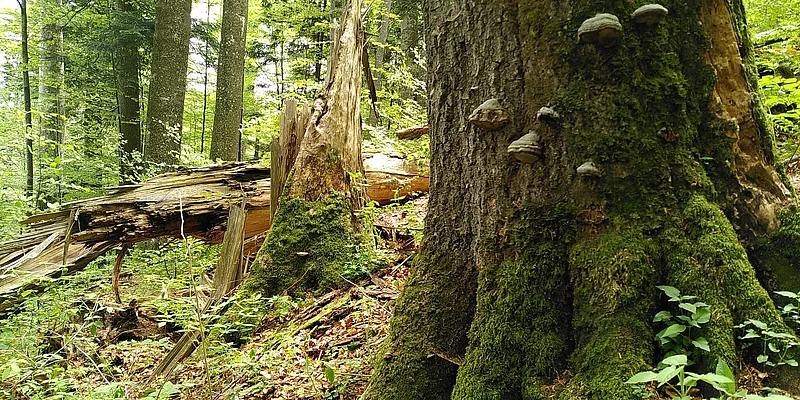
Deadwood
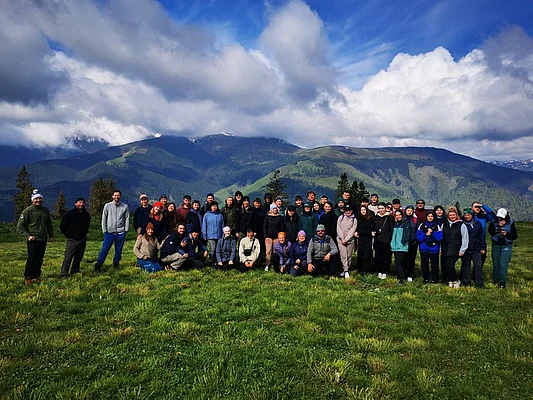
Group Picture
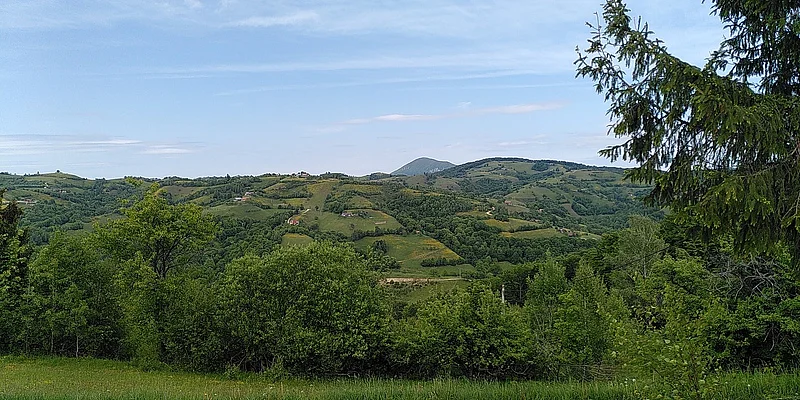
An Old Cultural Landscape
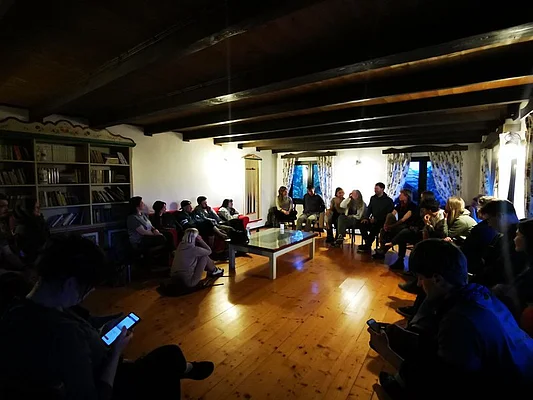
Role Play and Evening Reflections
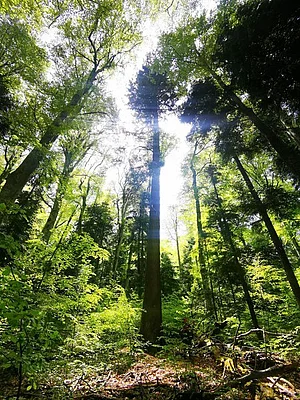
Inside the Woods
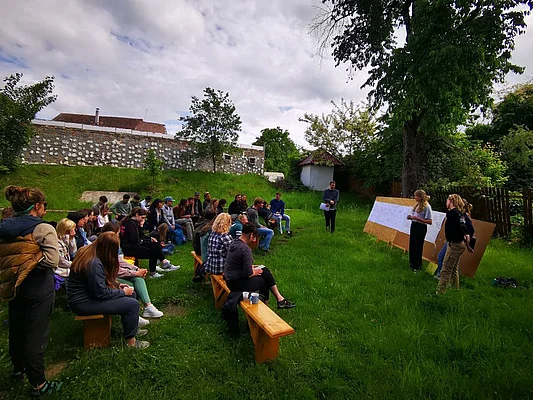
Final Presentations
Workshop
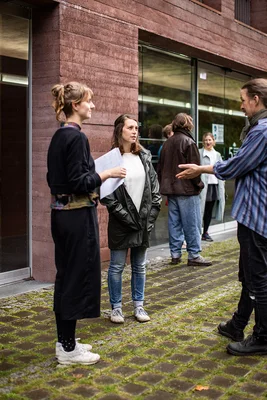
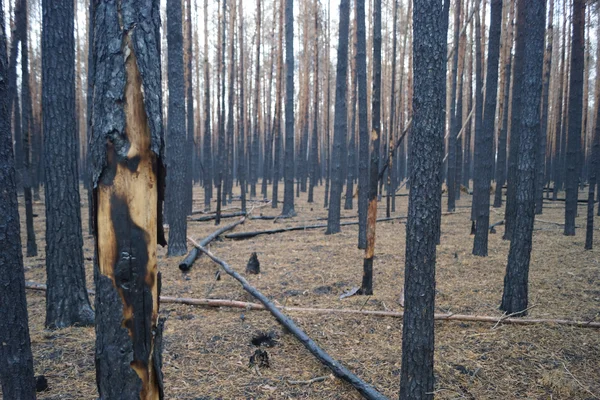
The workshop took place in Eberswalde during the first week of September. Five colleagues from three Ukrainian universities, along with five representatives from two Ukrainian biosphere reserves and a colleague from the Romanian NGO FCC, travelled to Eberswalde. In addition, three students from HNEE also took part. Two student facilitators from HNEE led the group discussions during the workshop in order to guide the dialogue as effectively as possible. The programme was packed with excursions to various forest areas and situations – ranging from protected areas where the forest was left to self-regulate following an ecological collapse, and protected areas with beech forests of international importance, to completely destroyed landscapes in the Lusatian lignite mining area, and to beech and pine forests that are commercial forests, but where the responsible forester adapts management to ecological needs and developments rather than the other way round.
The excursion programme was framed by a kick-off event at the start, featuring presentations on the state of forest health and developments in forest policy in Germany by Prof. Pierre Ibisch and in Ukraine by Volodymyr Ustymenko, and by a public event at the end of the week, during which representatives from the two Ukrainian biosphere reserves reported on their specific situations and challenges. The content of Prof. Ibisch’s presentation was later adapted for publication in the in-house magazine of the Chornobyl Radiation and Ecological Biosphere Reserve. A draft version of the article can be found below.
Based on the findings compiled during the week, as well as a follow-up survey of the participants, a position paper was drafted which is currently still under review. You can find the latest draft below.
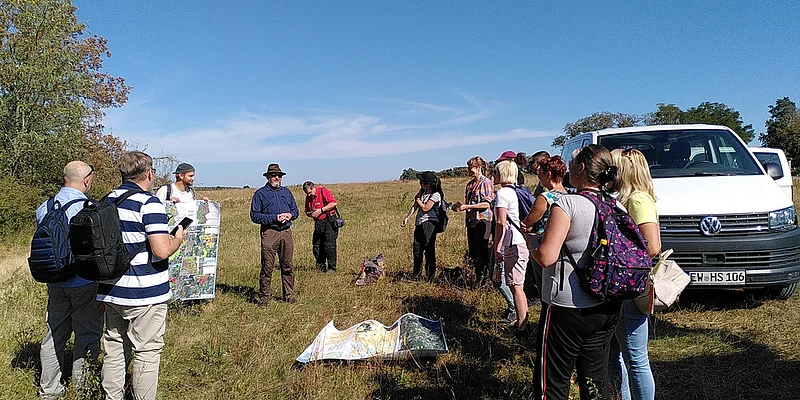
at Schöneberg Forest in the NP Lower Odra
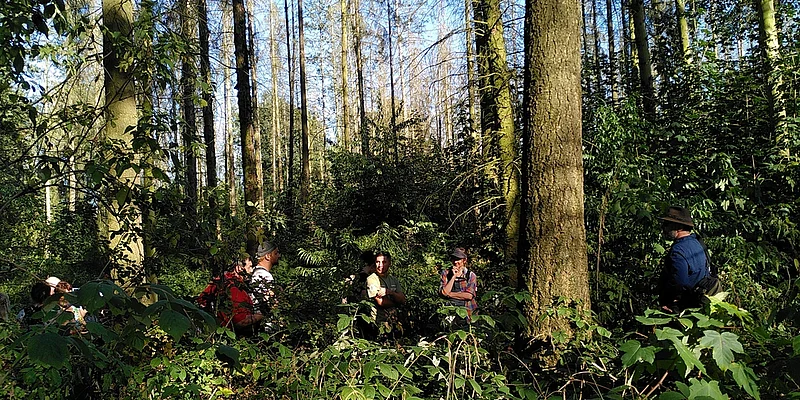
at Schöneberg Forest in the NP Lower Odra
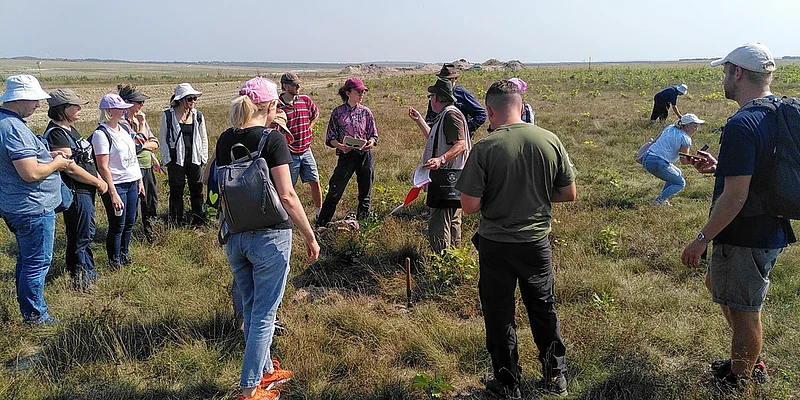
at Recultivation area Welzow-South
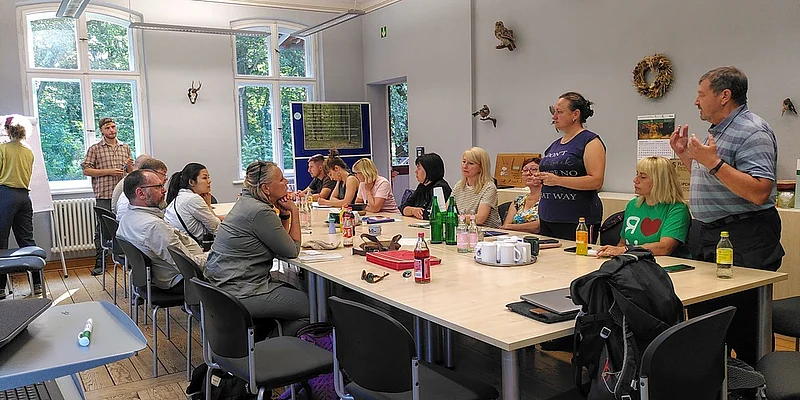
at Reiersdorf Forest Ranger station
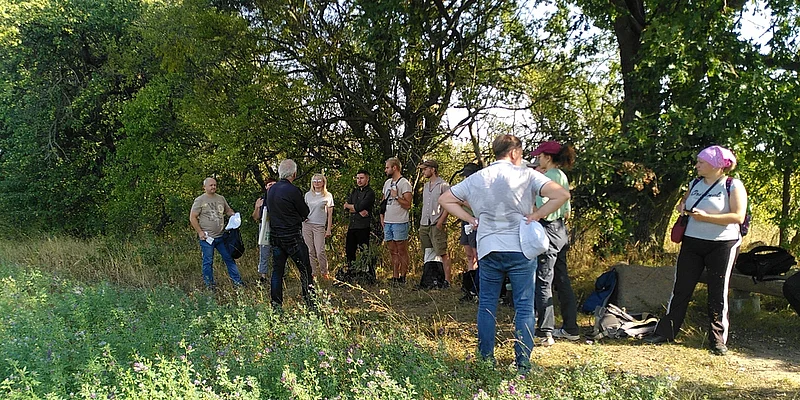
at UNESCO WHS Grumsin
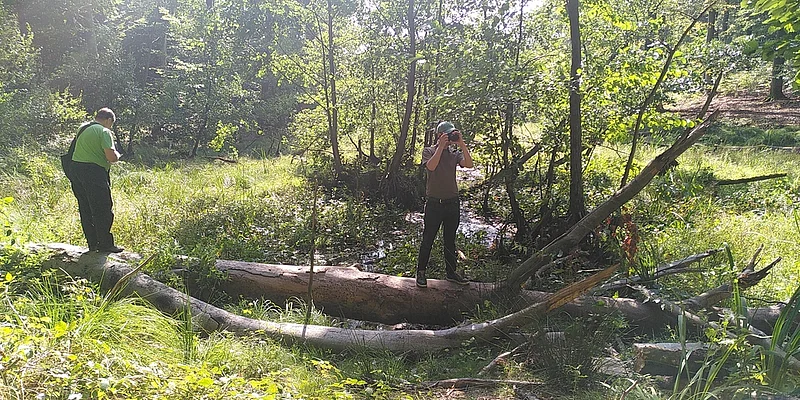
at UNESCO WHS Grumsin
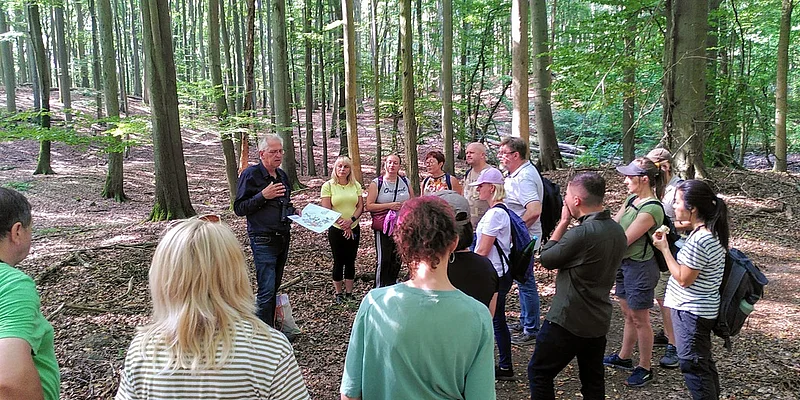
at UNESCO WHS Grumsin
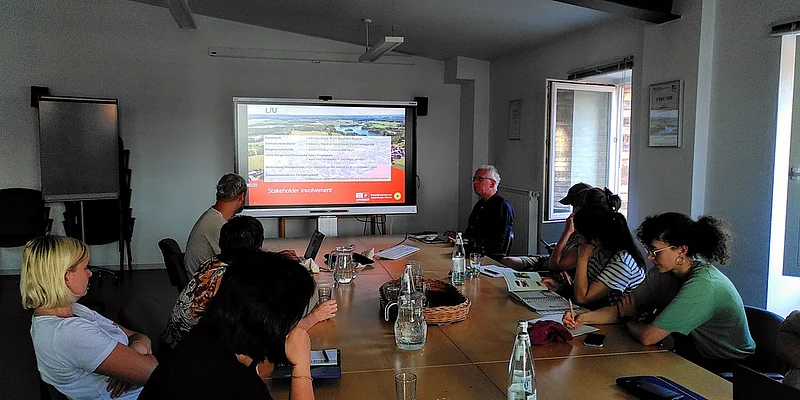
at headquarters of the BR Schorfheide-Chorin
Presentations given during the workshop
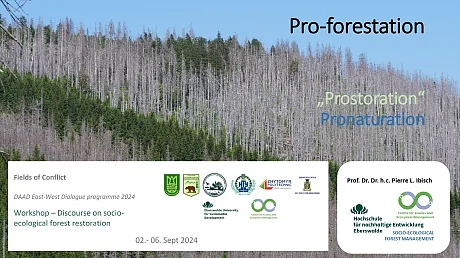
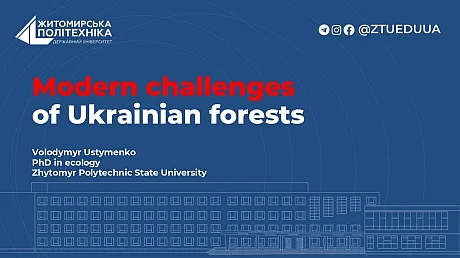
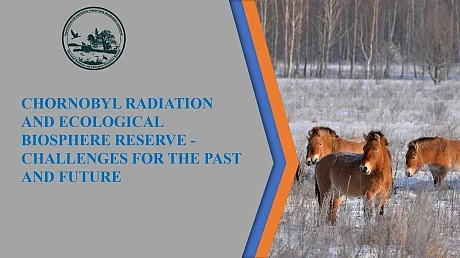
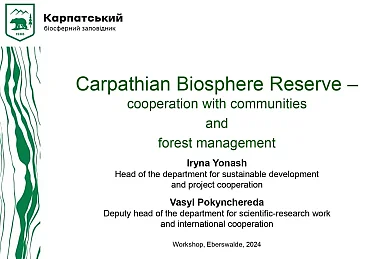
Publications
Ibisch, P. L. (2025). УПРАВЛІННЯ ЛІСОВИМИ ЕКОСИСТЕМАМИ ТА ЛІСОВЕ ГОСПОДАРСТВО В НІМЕЧЧИНІ: КЛІМАТИЧНА КРИЗА ОЗНАЧАЄ КІНЕЦЬ ЯК ДЕТЕРМІНОВАНИХ МОДЕЛЕЙ МАЙБУТНЬОГО, ТАК І РЕТРОСПЕКТИВНОЇ РЕНАТУРАЛІЗАЦІЇ - Forest ecosystem management and forestry in Germany: The climate crisis means the end of both deterministic future models and backward-looking renaturation. Chornobyl Science Hub.
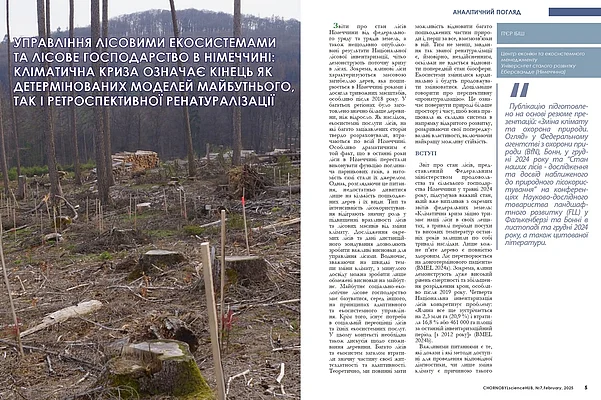
Publication in Chornobyl Science Hub
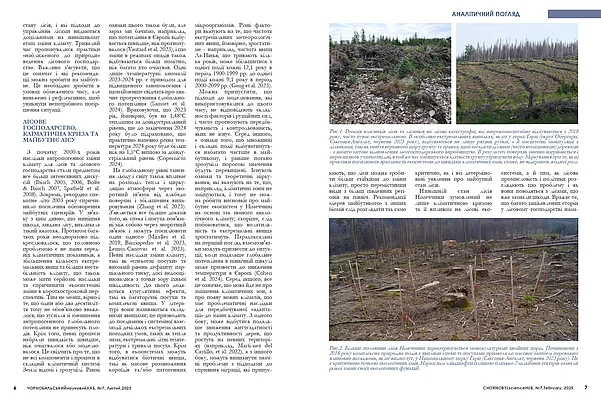
Publication in Chornobyl Science Hub
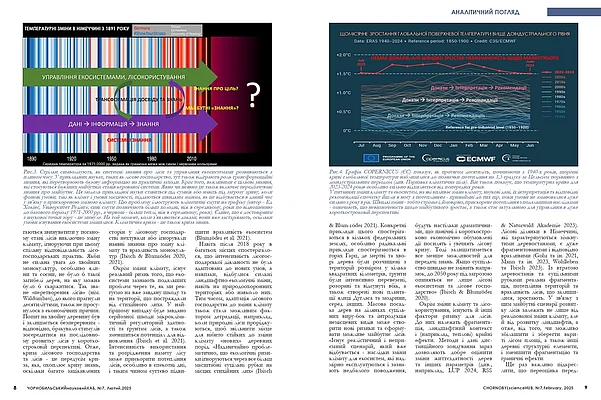
Publication in Chornobyl Science Hub
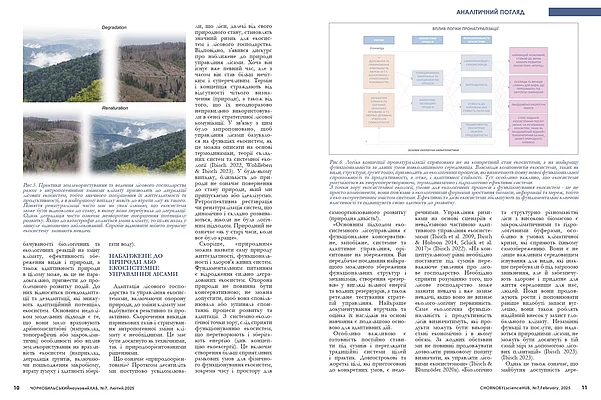
Publication in Chornobyl Science Hub
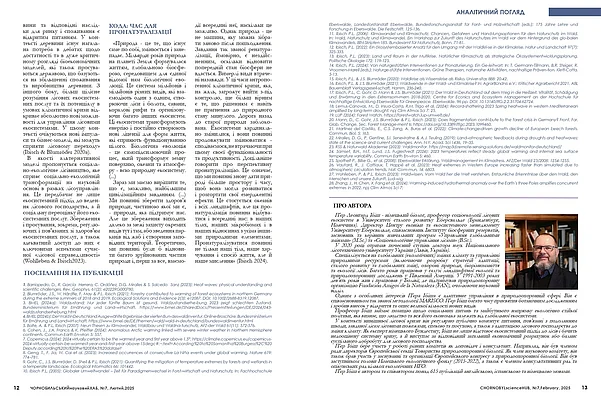
Publication in Chornobyl Science Hub
Scholarships
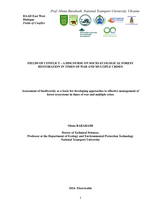
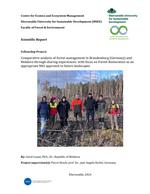
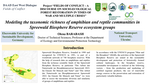
We were able to arrange three research fellowships for scientists from the project area to the Centre for Econics and Ecosystem Management – involving one experienced scientist and professor from the National Transport University in Kyiv, one young postdoctoral researcher and lecturer from Zhytomyr Polytechnic State University, and one experienced researcher and forest restoration consultant from Moldova. O. Barabash from NTU was able to stay with us for the full three months working on the topic “Modelling the taxonomic richness of amphibian and reptile communities in ecosystem groups within the Spreewald Biosphere Reserve” (see poster below). V. Ustymenko from ZPSU had planned research on the topic “Sustainable Landscape Rehabilitation: Insights from German Nature Reserves for Conflict-Affected Regions” but was only permitted to leave Ukraine for a period of 14 days. Consequently, the 2.5-month scholarship was organised in a hybrid format comprising a pre-online phase, a two-week on-site phase, and a post-online phase. The final report will be uploaded shortly. From Moldova, Mr A. Lozan came for a one-month research visit in November 2024 and was able to meet many researchers and practitioners. Read about his experiences and reflections in his report below.
Funding body
Partner organisations
- Ukrainian National Forestry University (Ukraine)
- National Transport University (Ukraine)
- Zhytomyr Polytechnic State University (Ukraine)
- Moldova State University (Moldova)
- Carpathian Biosphere Reserve (Ukraine)
- Chornobyl Radiation and Ecological Biosphere Reserve (Ukraine)
- NEW: National Psychological Association of Ukraine