DAAD East-West-Dialogue Programme 2019
Research project
01/2019 - 12/2019
Competence field:Sustainable forest management, Sustainable ecosystem management
Cooperation:Strategic cooperation
Funding partner:State funding
Department:Department Wald - Holz - Umwelt
Ukraine and Moldova continue to struggle for a sustainable transformation of their social and economic systems. The cornerstones for many of today's conflicts in both countries have been laid in the more or less distant past, and therefore require long-term and steady processes of dialogue, stabilisation and identity-building. The project aims to provide support for these processes and promote an exchange of knowledge by jointly researching, teaching and discussing ecosystem-based as well as participatory, adaptive management approaches with practice partners.
Contact
Project manager
Prof. Dr. Pierre L. IbischProfessor of Socio-Ecology of Forest Ecosystems
General contact
Angela Dichte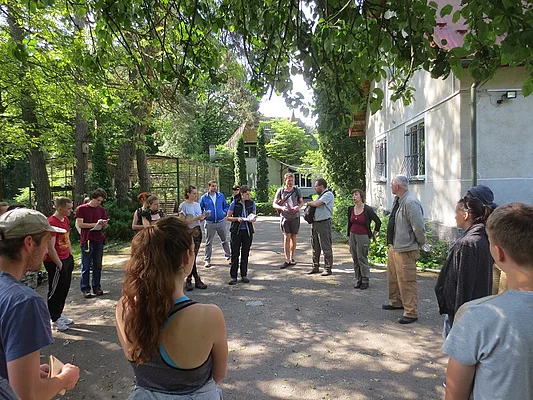
Roztochya BR headquarter - introduction
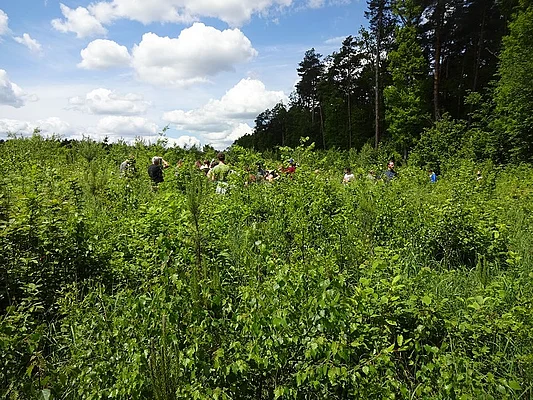
Roztochya BR - clear cut
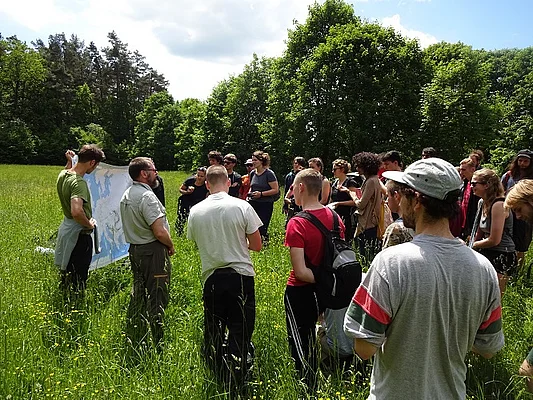
Roztochya - introduction of UNESCO Beech forests WHS
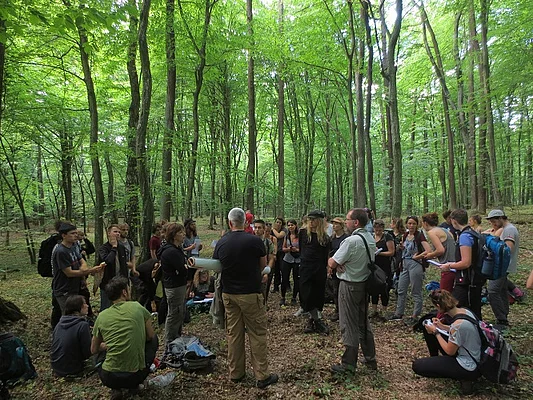
Roztochya BR - UNESCO Beech Forest WHS component part
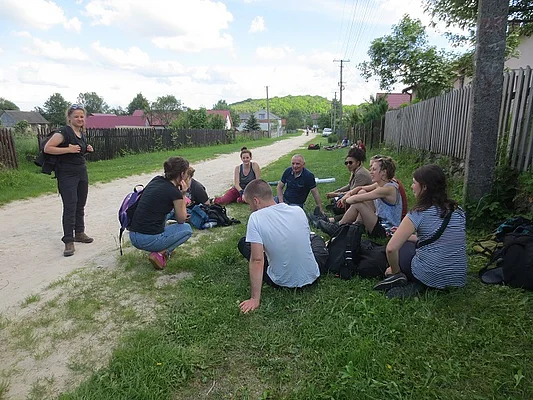
Lelekhivka village - interview with locals
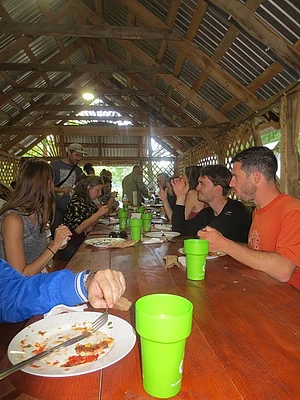
Yavoriv NP recreational area - BBQ
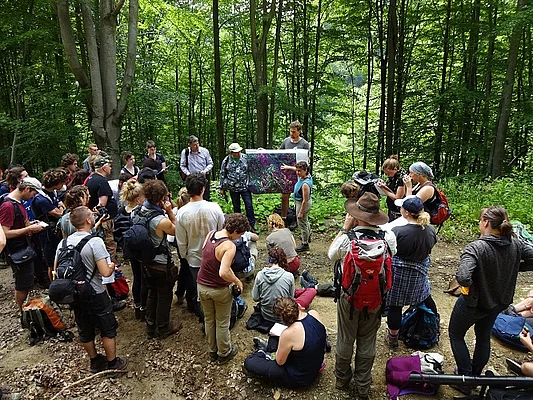
Skole Beskid - introduction of the area
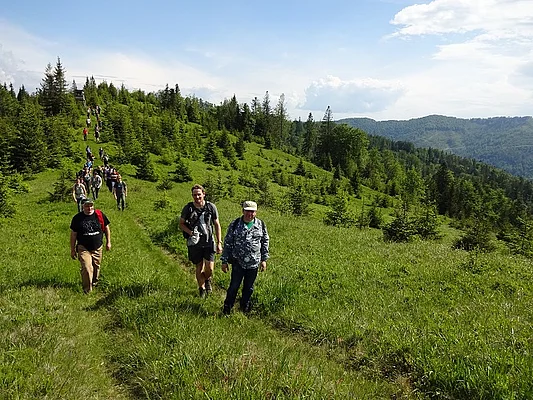
Skole Beskid
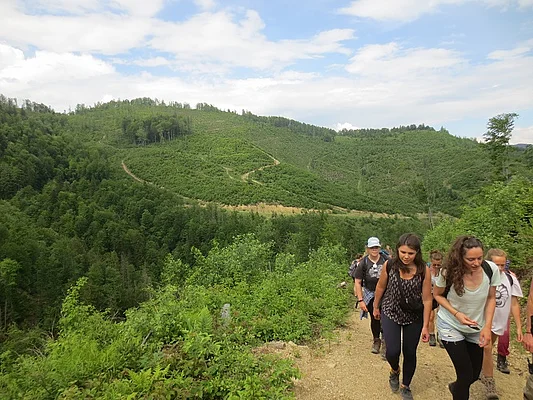
Skole Beskids - degraded forests
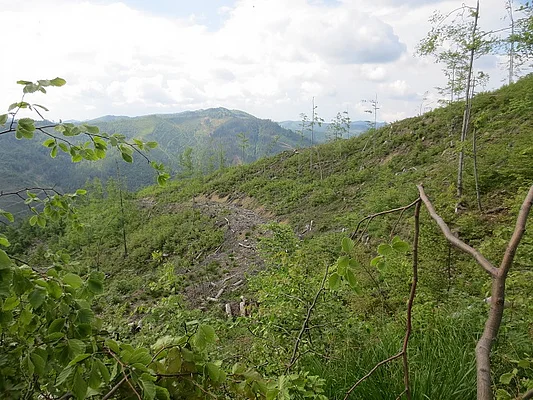
Skole Beskids - degraded forests
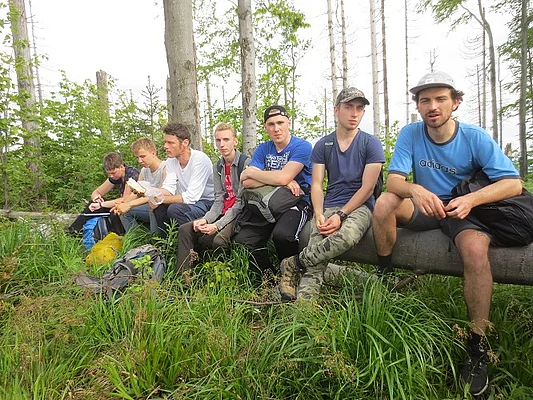
Skole Beskids - break
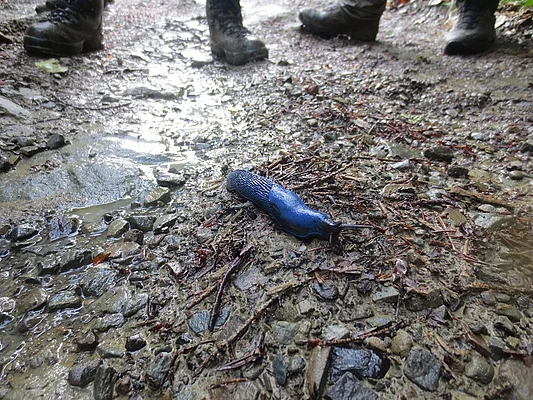
Skole Beskids - endemic blue snail
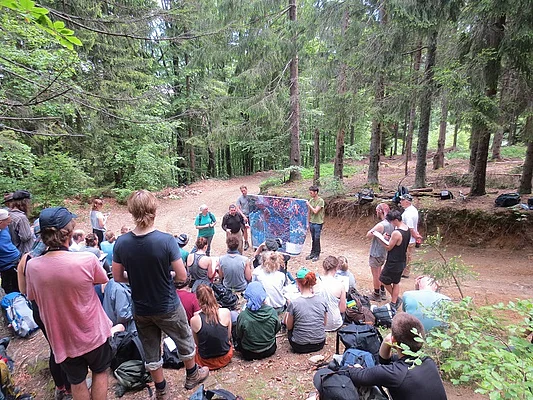
Mokryanske Forest - introduction
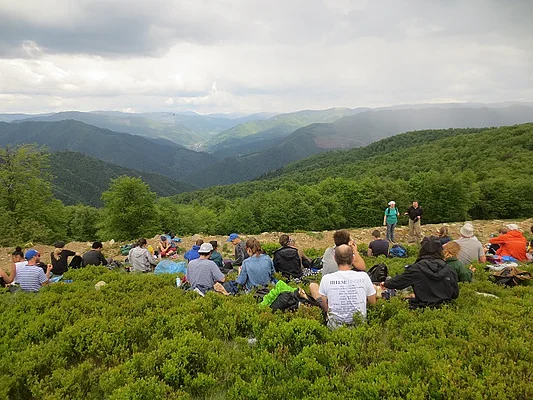
Mokryanske Poloninya - discussions
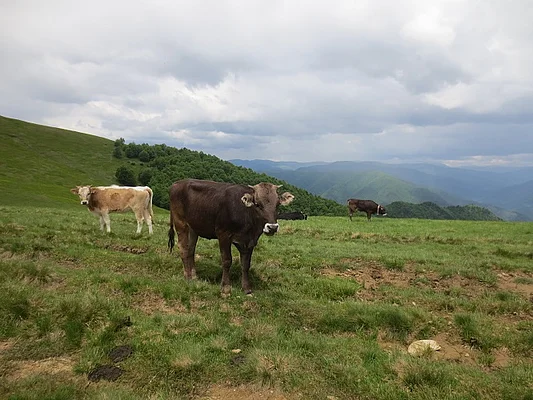
Mokryanske Poloninya
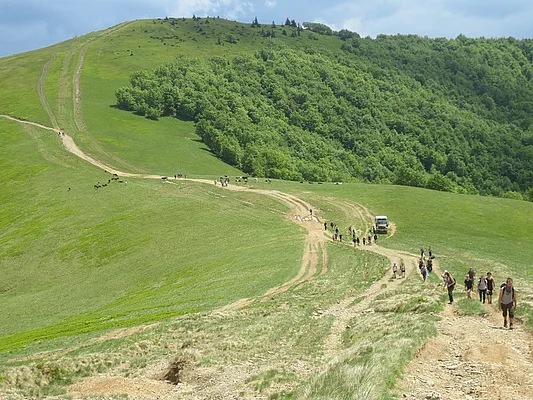
Mokryanske Poloninya - group and luggage transport
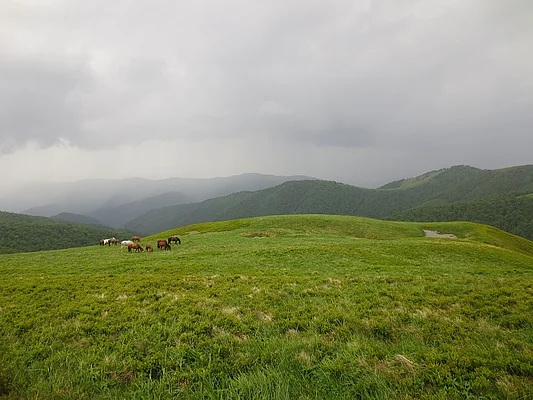
Mokryanske Poloninya
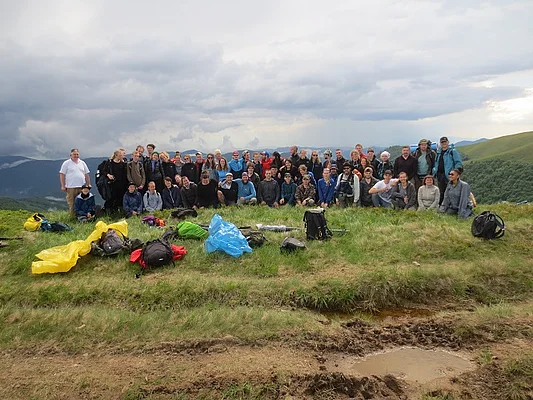
Mokryanske Poloninya - group picture
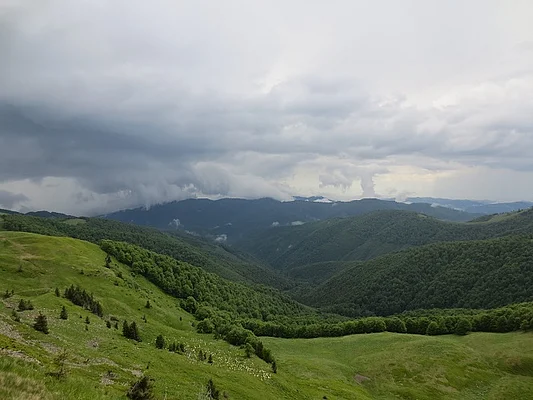
Mokryanske Poloninya - view on Shyrokyj Luh massiv
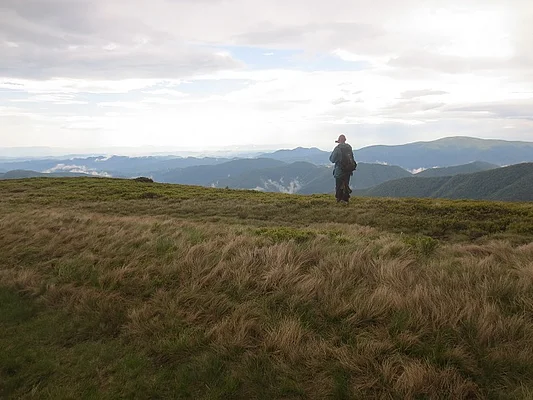
Mokryanske Poloninya - view on Shyrokyj Luh massiv
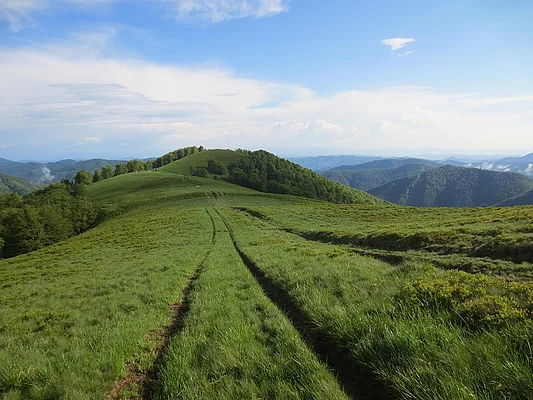
Mokryanske Poloninya
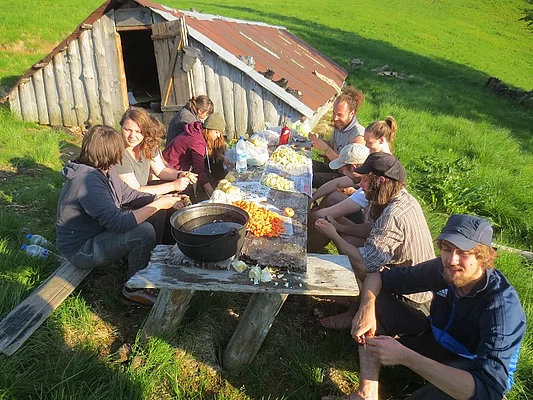
Mokryanske Poloninya / camp site - dinner preparations
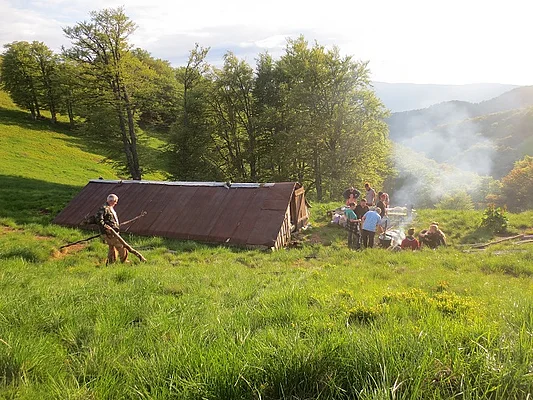
Mokryanske Poloninya / camp site - dinner preparations
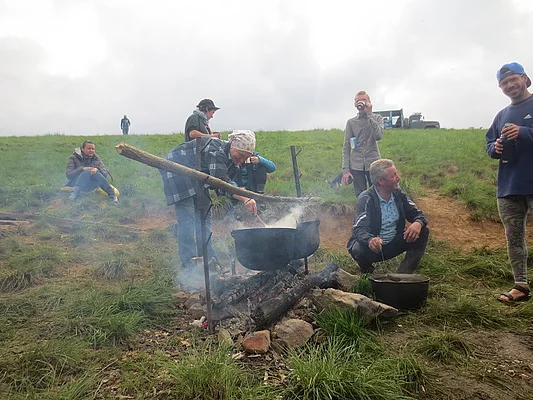
Mokryanske Poloninya / camp site - breakfast
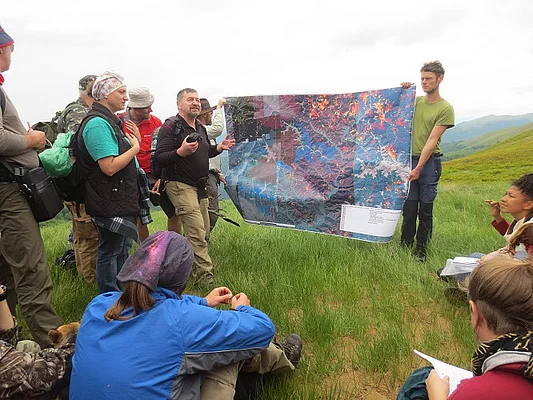
Mokryanske Poloninya - discussions
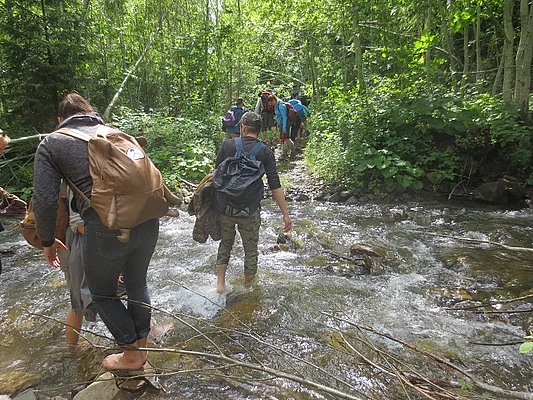
Shyrokyj Luh forest - river crossing
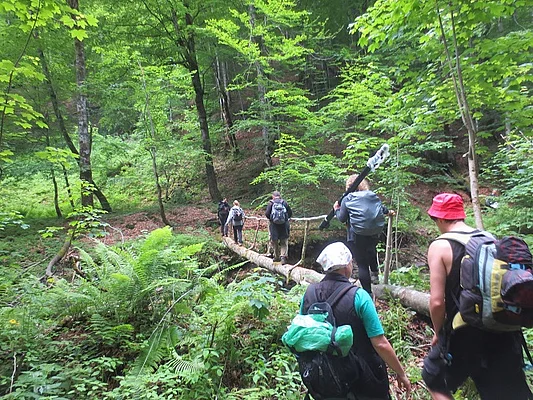
Shyrokyj Luh forest - river crossing
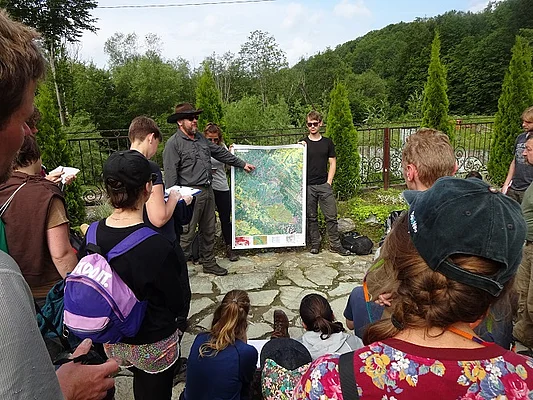
Velyka Uholka - discussions about transboundary cooperation with Romanian partners (
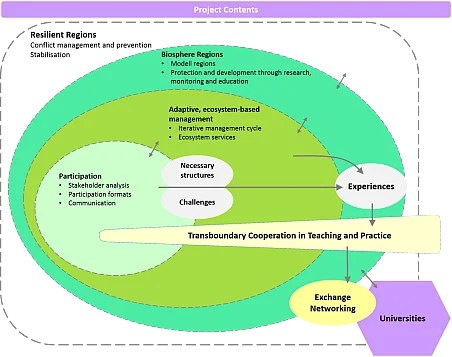
This project deals with the strengthening of participatory processes and the application of ecosystem-based management approaches, especially in UNESCO biosphere regions, as a contribution to the development of democracy and sustainable development in and with Ukraine, Romania and the Republic of Moldova.
The project pursues the following objectives:
Initiating a dialogue within the target region through visits with participants from all four countries and involving local population in the events
Interdisciplinary development of solutions for conflicts and ideas for their prevention on the basis of a joint situation analysis
Identification of opportunities (in terms of methodology and content) for actively involving local civil society actors in the analysis and development of strategies
Strengthening interdisciplinary and international cooperation and thus pluralism and cooperative learning at various levels
Contribution to relevant training content and methodological competence as well as to exchange and networking for representatives of the young generation as future decision-makers
Establishing permanent structures for joint (research) activities alongside individual exchange on the topic of the project
Within the framework of the project, the partner universities will be supported in their efforts to further internationalise their profile and offerings. To this end, the cooperation of the universities in the region will also be promoted beyond the EU border to Romania. Furthermore, the project activities are characterised by an international offer of teaching and knowledge exchange for students and lecturers as well as for practitioners, especially from the field of biosphere region management, on the topic of adaptive ecosystem-based management and participation processes by introducing and practising the Open Standards (for the Practice of Conservation) methodology. These activities are to be supported and supplemented by research fellowships.
The project comprises two measures:
- a study trip (with students from the focus region and abroad, as well as all project partners) in Ukraine - June 2019
a seminar (with students from focus region on the Open Standards methodology) and workshop (with students & practitioners from different Biosphere Regions from the focus region) in Moldova - September 2019
Furthermore it integrates:
- two research stays (one junior and one senior researcher from Ukraine) in Germany
- two study visits of German students in the focus region
Study trip
From 1 to 8 June 2019, a group of almost 60 participants conducted an excursion to Western Ukraine. This included a group of international Master and Bachelor students of the Eberswalde University for Sustainable Development, students of the Ukrainian National Forestry University in Lviv as well as academic partners and practicioners from Ukraine and Moldova.
The itinary included the Roztochya Biosphere Reserve and in particular the beech forest, which is a component part pf a pan-European UNESCO World Heritage Site. The group also visited the Skole Beskid region with an emphasis on bark beetle calamities, sanitary cuttings and (salvage) logging practices. The focus was on the Carpathian Biosphere Reserve, where a three-day hike took place exploring areas that will soon be put under protection as well as primeval forest areas of the Shyroki-Luh and Uholka massifs.
The visits of these different sites allowed for intensive discussions on the different forest conditions, their background and development possibilities. The different management methods and their underlying constraints were discussed as well as the effectiveness of protection through voluntary forest certifications (FSC).
Excursion Maps:
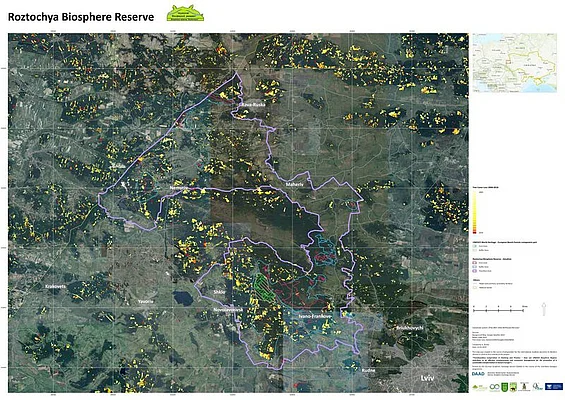
Roztochya Biosphere Reserve
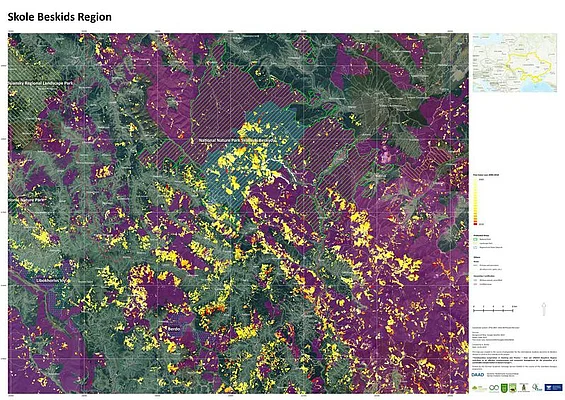
Skole Beskids Region
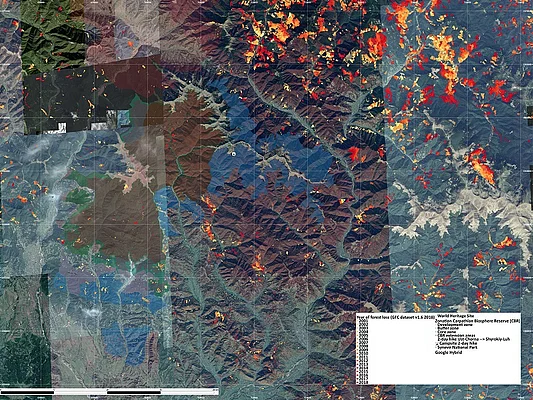
Uholka / Shyrokyj Luh / Mokryanske massifs
Seminar and excursion-based workshop
From 15 to 20 September 2019 a group of over 30 representatives of partner institutions met in the Republic of Moldova and conducted a seminar and a workshop. Hosted by the Moldova State University in Chișinău, a diverse group of students, lecturers, biosphere reserve managers and scientists came together to learn about the status of and challenges to Moldovan ecosystems and to exchange views and ideas for tackling the existing problems.
After an introductory day at the university in Chișinău, the group traveled to the south of the country, where the first Moldovan Biosphere Reserve was established in 2018 in the Lower Prut region. The group was accommodated in the village of Valeni, from where several excursions started into the area. These were led by Aurel Lozan (WWF Central Eastern Europe). The target areas were the wetlands around the lake Beleu, the expanding willow stands, an oil exploitation field as well as the valley's slopes and their management. The protected area administration in Slobozia Mare was also visited. A lively horizontal exchange developed between the different representatives of the protected areas, which opened up different perspectives and experiences for dealing with very specific challenges, which occur very similarly in the different areas. Major challenges are the dramatic lowering of the ground water table, the ongoing degradation of ecosystems through intensive land use, and the overarching effects of climate change.
Simultaneously, students from Moldova, Ukraine and Germany worked together on the case study of the newly established Lower Prut UNESCO Biosphere Reserve. They learned about CMP's Open Standards for the Practice of Conservation methodology. It was practiced how to develop a useful scope and vision and how to quickly analyse the current situation of planning areas. Finally, they proposed management strategies and suggested a theory of change related to the chosen strategies.
The group of experts also traveled northwards and visited an area of the eastern fringe of European Beech distribution, the ‘Land of Beech’ protected area north of Chișinău. Forest ecosystems are under considerable pressure. Despite their protection status, severe interventions were visible. It was discussed how the vulnerable beech forest ecosystem is also affected by the consequences of climate change.
Finally, the trinational student teams presented their findings and recommendations to the rest of the group. A final round of recommendations for Moldova as well as the take-home messages was moderated, which once again highlighted common future plans and visions.
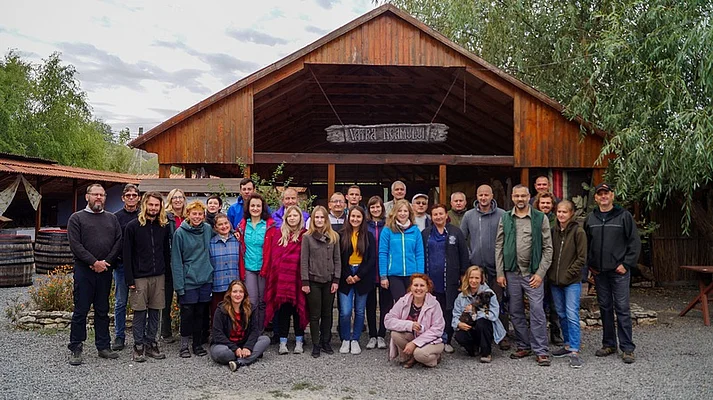
Group picture in Valeni
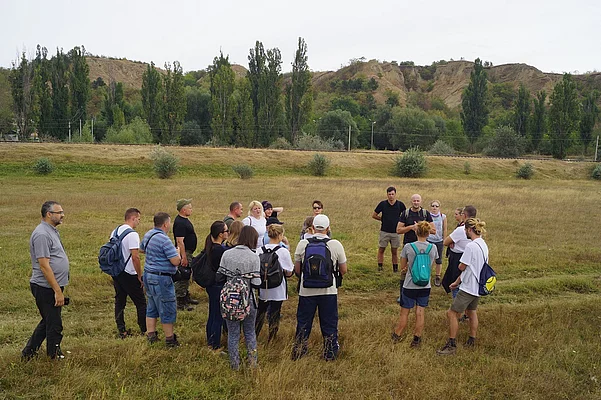
Excursion in the Lower Prut Biosphere Reserve
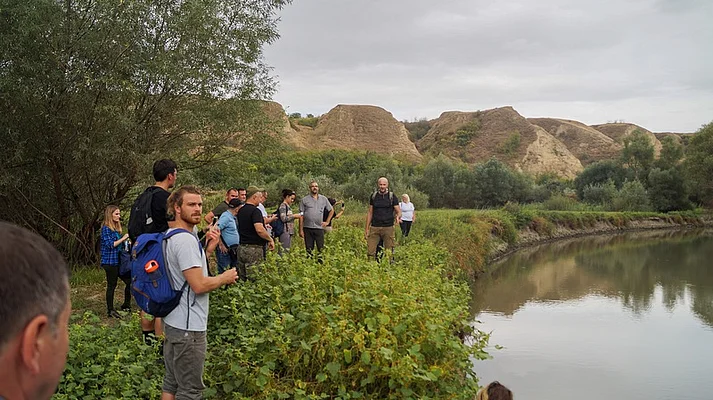
Excursion in the Lower Prut Biosphere Reserve
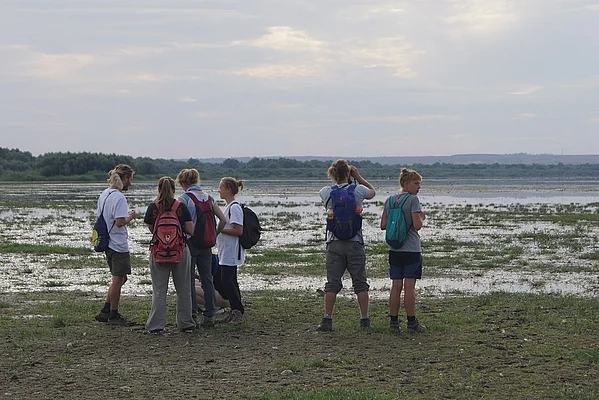
Excursion in the Lower Prut Biosphere Reserve
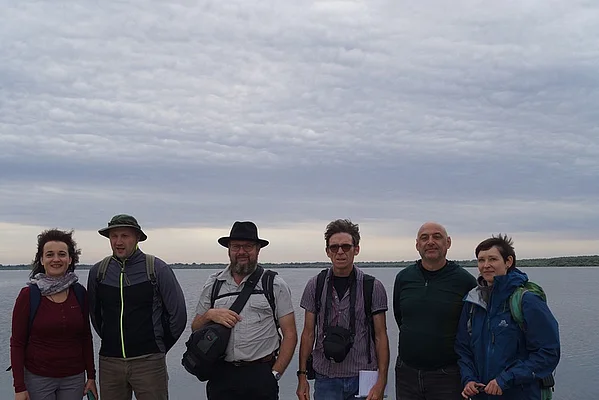
Team in front of lake Beleu - f.l. G. Costea, A. Lozan, P. Ibisch, P. Hobson, V. Purcic, J. Blumröder
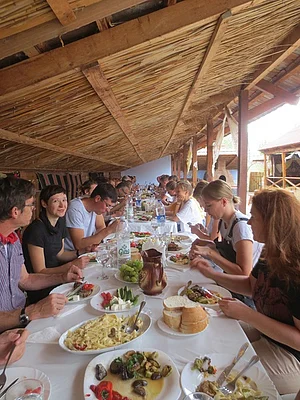
Lunch at Valeni eco-pension
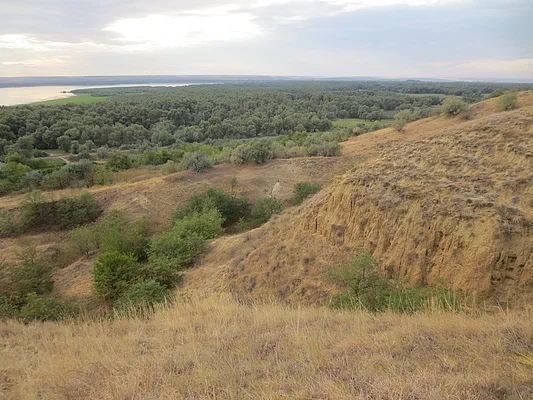
View on the Lake Beleu and the approaching slopes
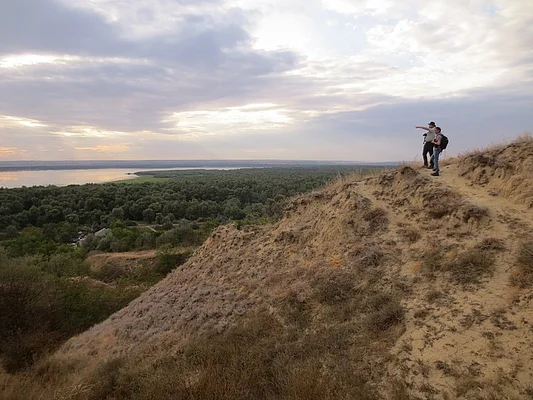
Lower Prut BR - P. Ibisch & P. Hobson observing the landscape
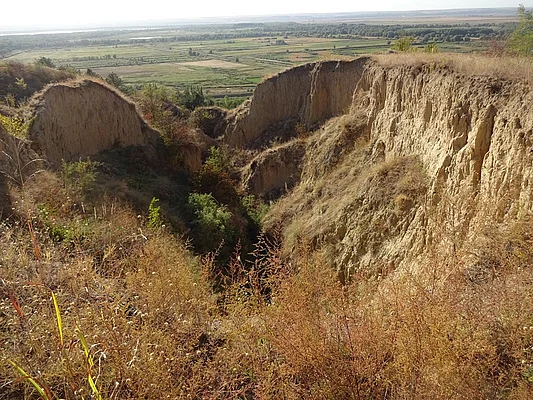
Lower Prut BR - break-off of slopes
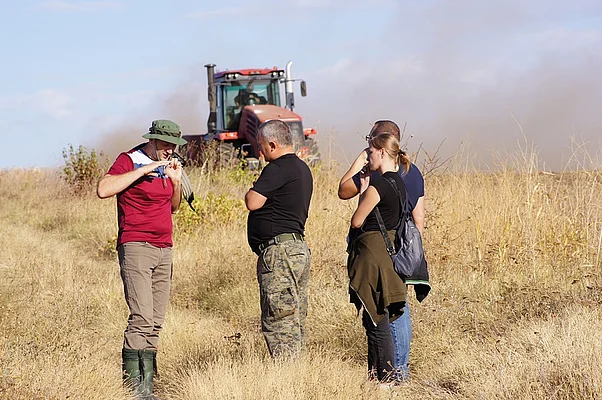
Excursion in Lower Prut BR - landuse on the hills
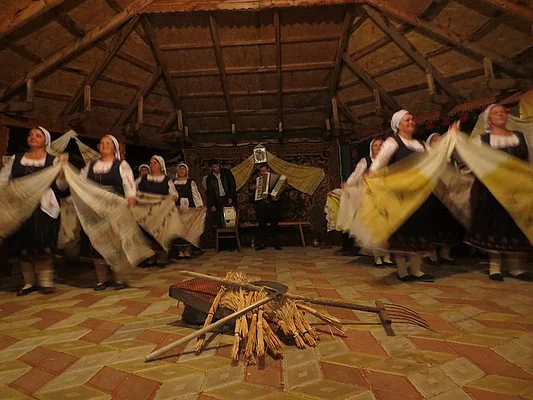
Folklore night in Valeni eco-pension
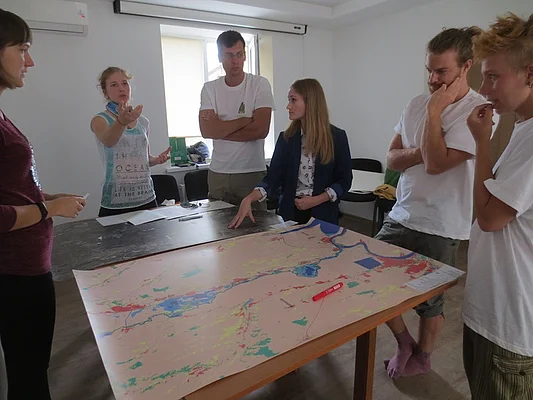
Students seminar - group work
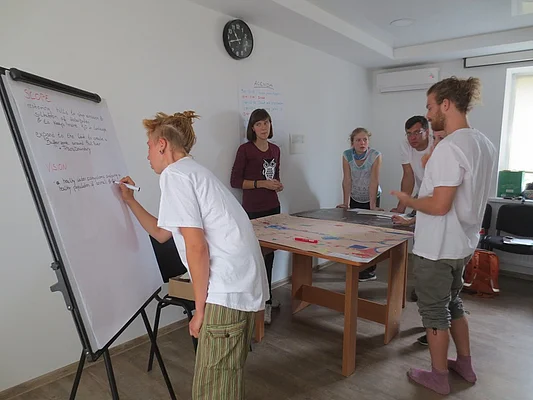
Students seminar - group work
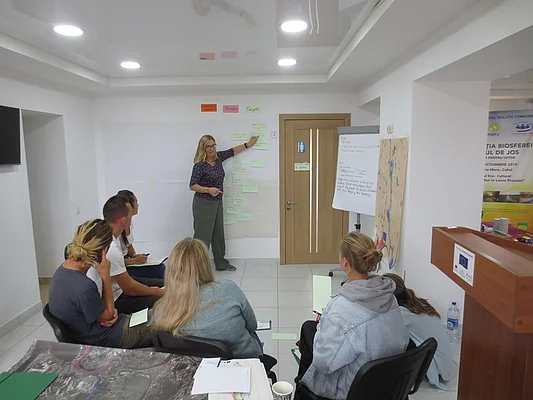
Students seminar - coaching by S. Vareltzidou
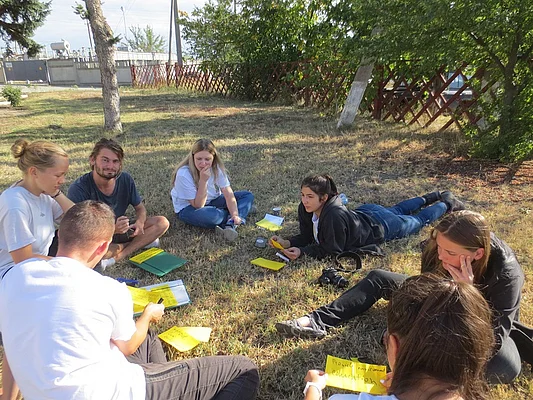
Students seminar - group work outside
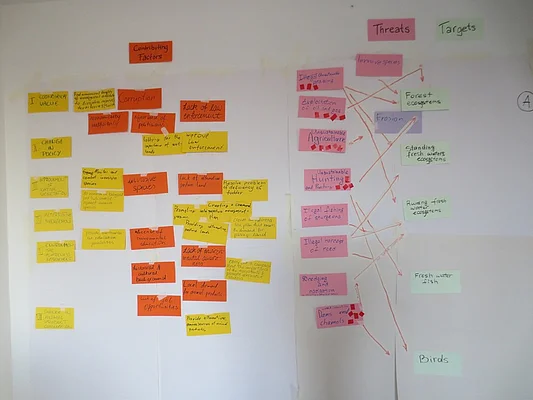
Students seminar - conceptual model
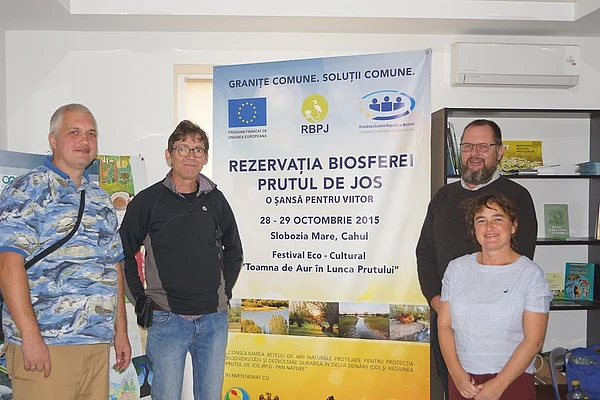
Team at the Lower Prut BR administration - f.l. A. Holovko, P. Hobson, P. Ibisch, A. Dichte
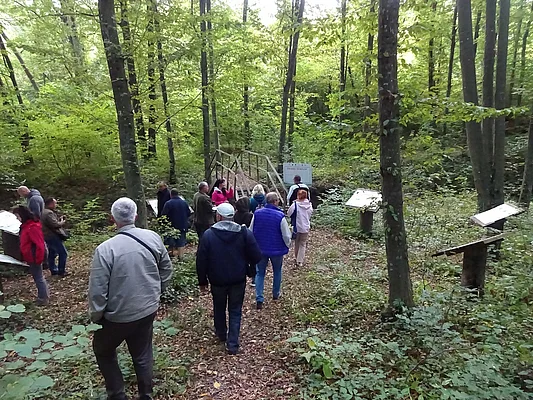
Excursion to "Beech Land" reserve
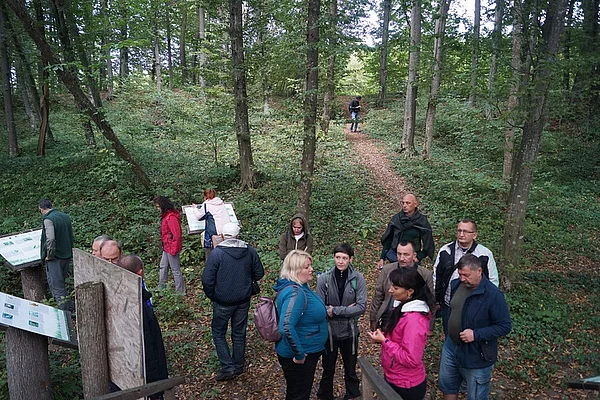
Excursion to "Beech Land" reserve
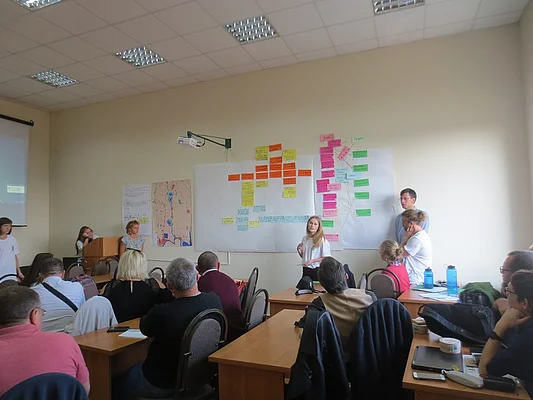
Final presentations of results by students
Funding bodies

Partner organisations