DAAD East-West-Dialogue Programme 2023
Research project
01/2023 - 12/2023
Competence field:Sustainable forest management, Sustainable ecosystem management
Cooperation:Strategic cooperation
Funding partner:State funding
Department:Department Wald - Holz - Umwelt
Biosphere Forests and Rivers - Building Support Systems and Connections for Conflict Transformation
The project is a logical continuation of the previous 7 projects carried out on the topic of conflict prevention through participatory and sustainable ecosystem management in border regions and builds on the cooperation and network of partners that was created. As the circumstances changed significantly in 2022 for the Ukrainian partners the team had to adjust the focus accordingly.
Contact
Project manager
Prof. Dr. Pierre L. IbischProfessor of Socio-Ecology of Forest Ecosystems
General contact
Angela Dichte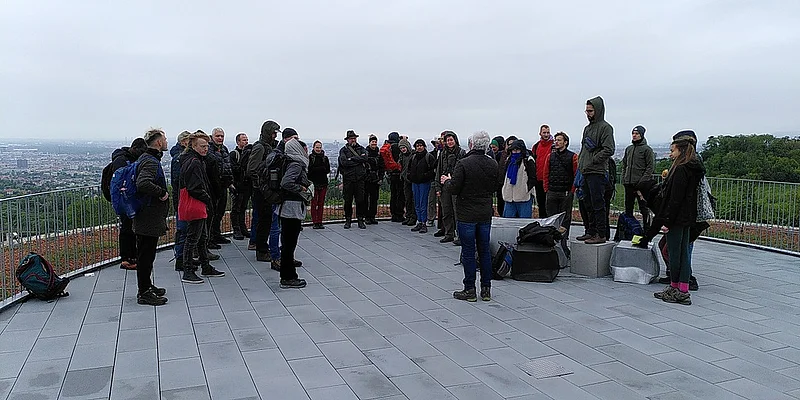
At the Cobenzl in the Biosphere Park Wiener Wald
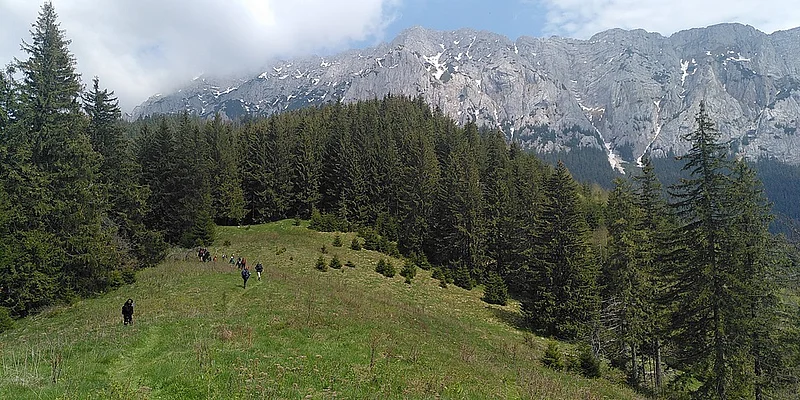
Between Făgăraș Mountains & Piatra Craiului NP
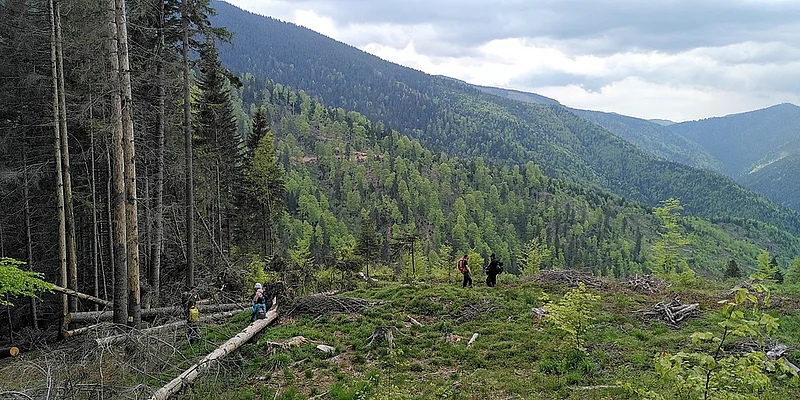
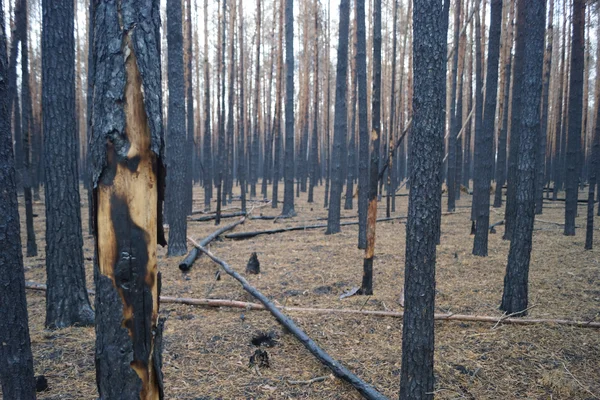
Discussing impact & management of clear cut areas
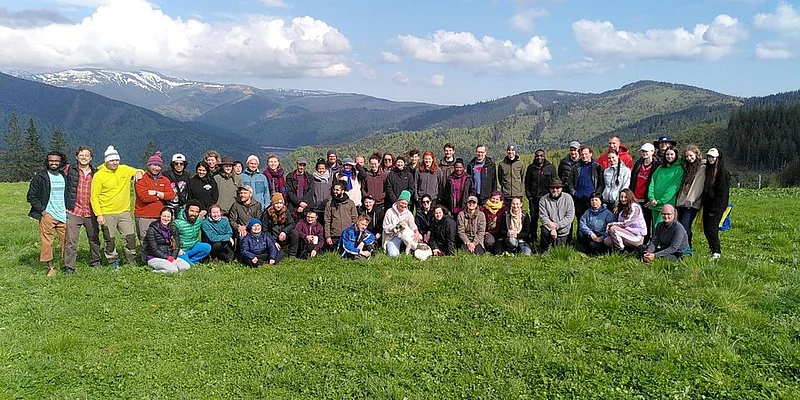
Ground truthing of tree loss and temperature maps
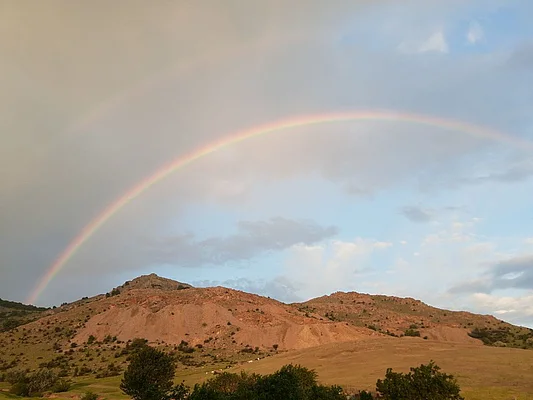
Măcin Mountains National Nature Park
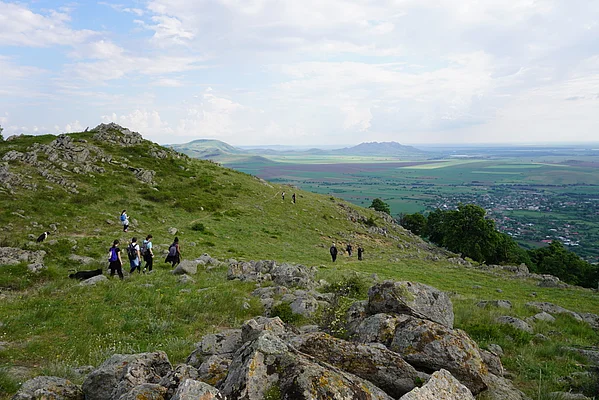
Hiking through the Măcin Mountains
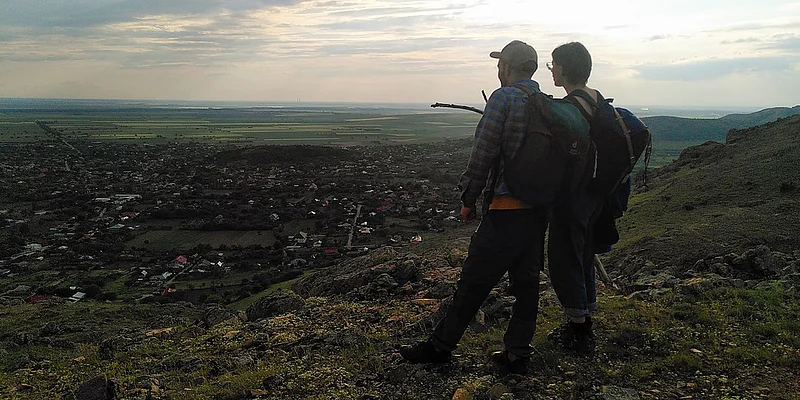
Măcin Mountains National Nature Park
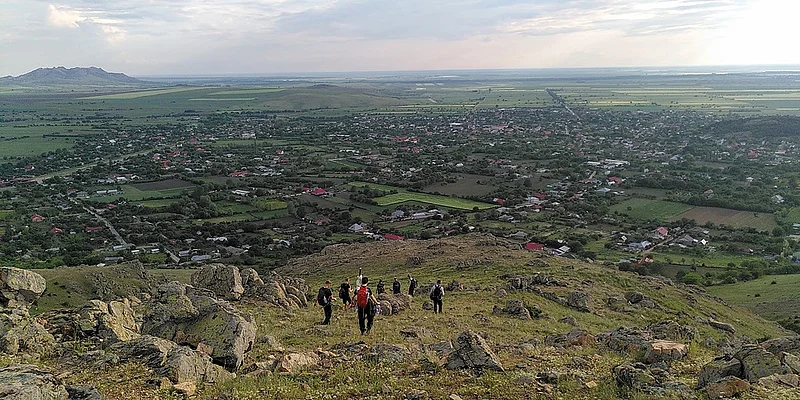
Returning to Greci
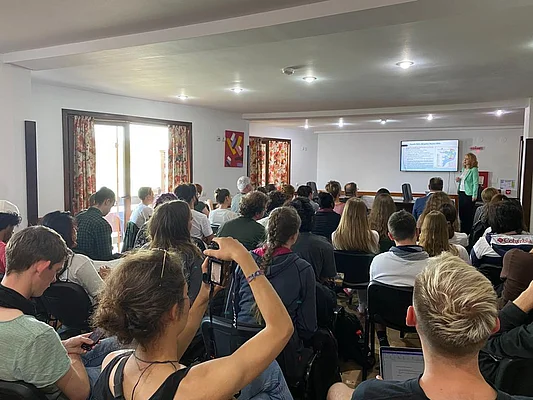
Presentations by the Danube Delta Biosphere Reserve
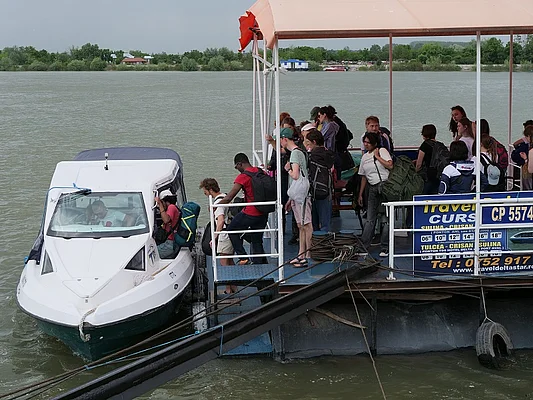
Boarding in Tulcea
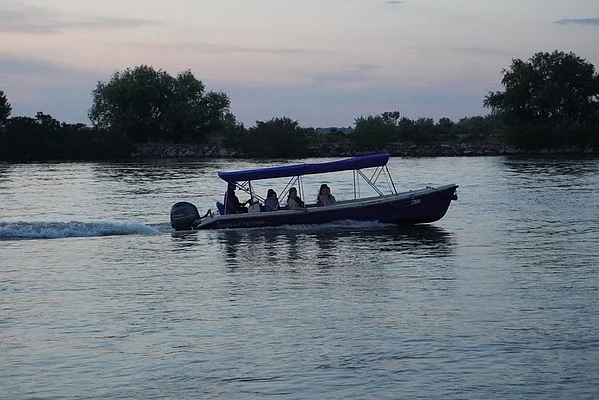
Travelling on the Danube
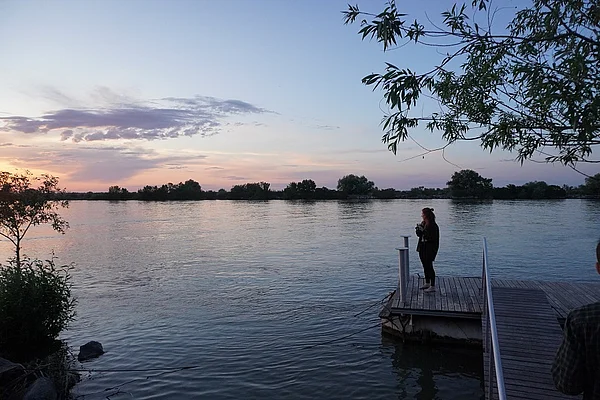
Sunset in the Danube Delta Biosphere Reserve
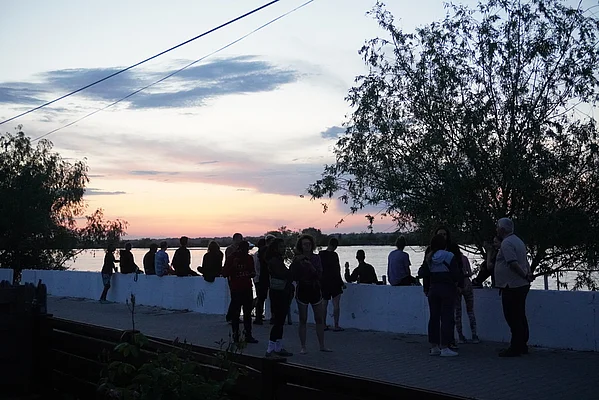
Enjoying the sunset in Crișan
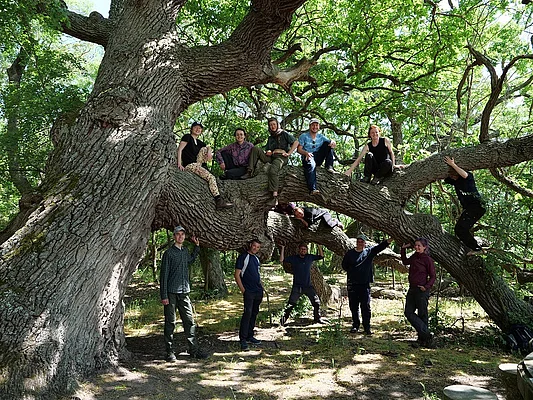
In the protected Caraorman Forest
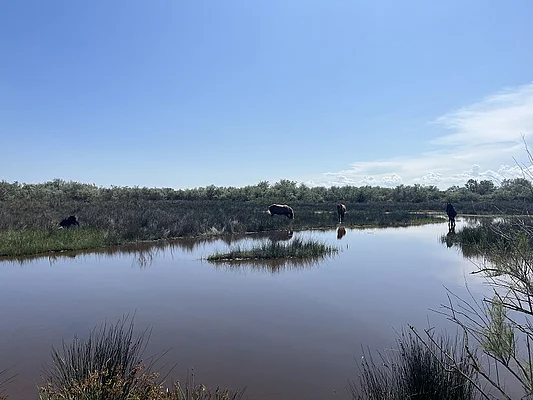
Horses in the Danube Delta Biosphere Reserve
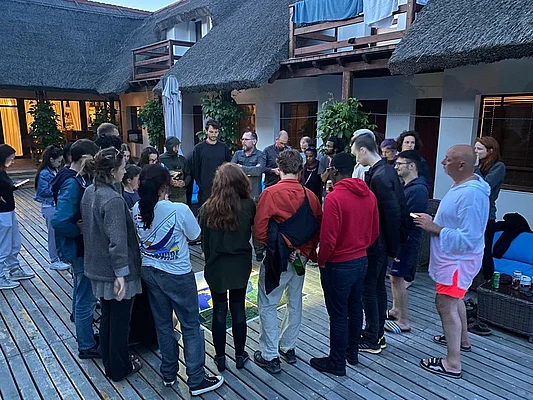
Reflection round
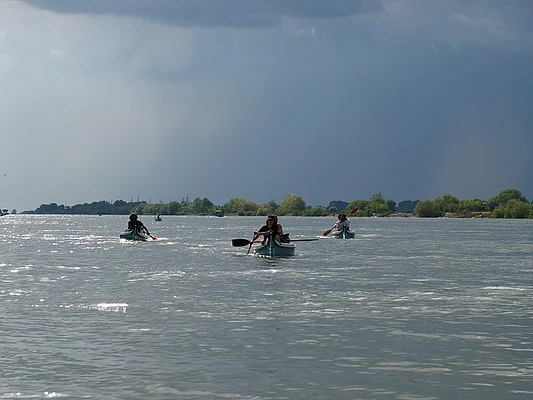
Canoeing on the Danube
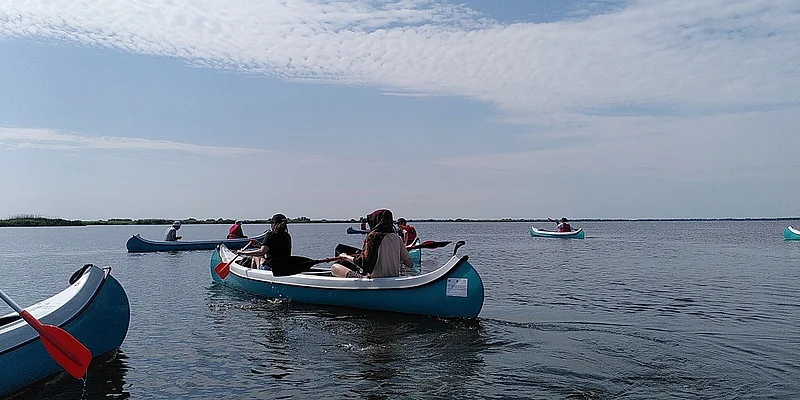
Canoeing on Lacul lacob
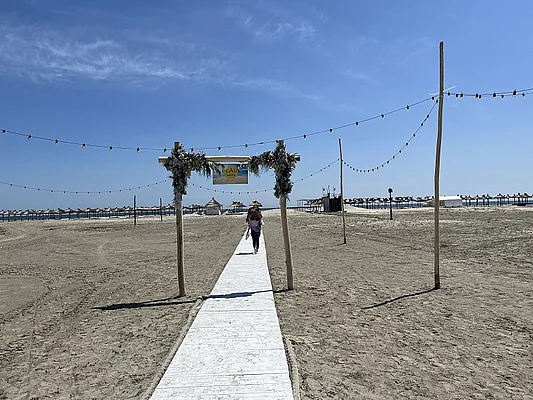
At the Black Sea beach in Sulina
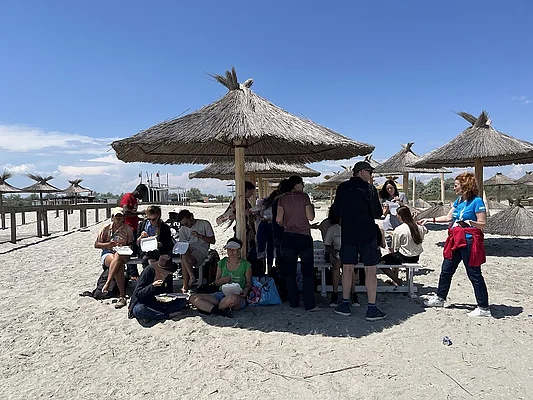
At the Black Sea beach in Sulina
Project focus
The war and the post-war period will lead to increased consumption of natural resources, which will inevitably result in environmental, economic and social conflicts. Therefore, the project will conduct research into the scale of this increased use of natural resources and the impact of this phenomenon on forest and river ecosystems. The interrelationships between war-related factors and their impact on transboundary ecosystems will be investigated through the project’s activities.
The project’s focus region will cover western to central Ukraine, with a particular focus on the Carpathians and the area along the Prut River to the Danube, as well as the Polissia region in northern Ukraine. Key partners from the field will include biosphere reserves (among the partners are the Danube Delta Biosphere Reserve in Romania, the Carpathian Biosphere Reserve and the Chornobyl Radiation and Ecological Biosphere Reserve in Ukraine). These will serve as model regions as they contain all relevant elements and can therefore act as test sites for equitable and sustainable development (e.g. healthy ecosystems that are protected, but also ecosystems used by local communities for their livelihoods, as well as settlements, industrial sites, agricultural land and forestry). This variety of elements enables us to take into account all the ecological, economic and social factors required for research into the project topic.
Project activities
- Study trip to Romania (instead of Western Ukraine due to the ongoing war against Ukraine) involving academics and students from the HNEE and partner universities, as well as practitioners from biosphere reserves.
- An excursion-based workshop in Germany at Eberswalde University for Sustainable Development, again involving academics, students and representatives of biosphere reserves from all partner institutions.
- Six scholarships for Ukrainian academics and German students are planned.
The study trip will once again be integrated into the teaching module of three HNEE degree programmes. It aims to observe the socio-ecological systems in Romania across a spectrum ranging from very low human impact to very intensive use, and their impact on forest and river ecosystems. The observations will be reflected upon and discussed with participants from partner institutions and local stakeholders to jointly develop ideas for conflict transformation and the mitigation of negative impacts arising from factors linked to multiple crises.
The aim of the workshop is to exchange experiences and ideas for participatory and sustainable ecosystem management, particularly against the backdrop of traumatic experiences and economic crises. During the seminar, visits will be made to German biosphere reserves with relevant experience (e.g. the Elbe-Brandenburg River Landscape Biosphere Reserve).
In addition to this, research scholarships will be offered to Ukrainian academics and German students. This will enable in-depth research into the project’s topics and the issues identified during the study trip and the seminar. In addition to this, research grants will again be offered to further strengthen and intensify the exchange by promoting the mobility of German students and, for the first time, doctoral students in the project region, as well as Ukrainian academics in Germany.
The 2023 study trip
An international group of 60 students and lecturers from Eberswalde University for Sustainable Development, the Ukrainian National Forestry University and Moldova State University visited the Wienerwald Biosphere Park in Austria, the NGO Conservation Carpathia, the Măcin Mountains National Park and the Danube Delta Biosphere Reserve in Romania during a 10-day trip.
Master’s and Bachelor’s students from all three universities worked in groups on topics such as ecosystems and biodiversity, climate change, socio-economic developments and challenges – including relevant stakeholders and institutions – as well as the history, (geo)politics and future scenarios of the socio-ecological systems they observed. Please take a look at the impressions and findings presented by UNFU students on their website. Some photographs are also featured above on this site.
Workshop
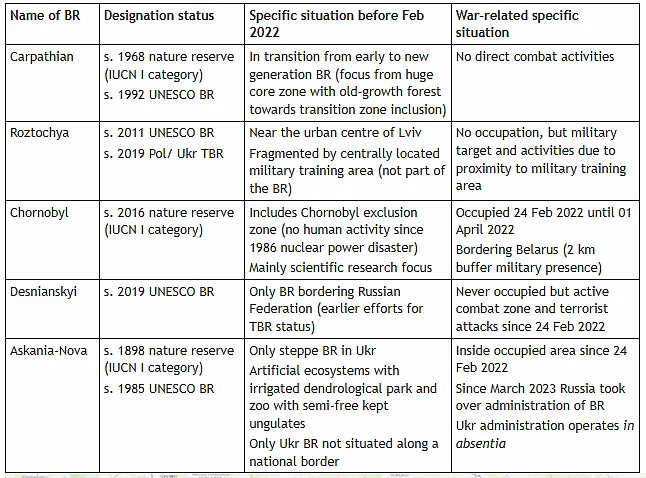
The workshop took place in Eberswalde and in the Elbe River Landscape Biosphere Reserve (Brandenburg) from 4 to 8 September 2023. Twelve participants from Ukraine took part, representing five out of nine biosphere reserves (Carpathian BR, Roztochya BR, Chornobyl Radiation and Ecological BR, Desnianskyi BR, Askania Nova BR).
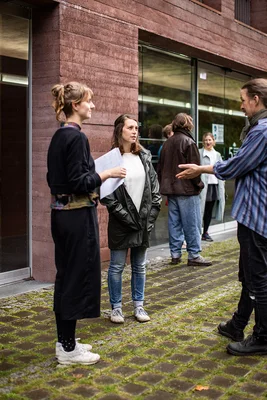
The workshop programme ran over five days. Following an introduction and an opportunity to get to know one another, representatives from all the biosphere reserves gave individual presentations on the situation in their respective areas. The second day focused on existing conflicts and relations with various stakeholder groups. Afterwards, the whole group travelled from Eberswalde to the Elbe River Landscape Biosphere Reserve in Brandenburg, where they spent two days. A discussion was organised with the biosphere reserve management and a local NGO on the topic of processing and documenting geopolitically motivated traumatic events (in this case, the inner-German border during the Cold War and today’s Green Belt initiative). In addition, a Ukrainian psychologist gave a presentation, interspersed with short workshop sessions, on the topic of ‘Mental health aspects of climate change’. On Thursday and Friday, presentations and in-depth discussions followed on the topics of ‘Ecosystem Restoration’ and ‘Research and Training Needs for Biosphere Reserves’.
All the biosphere reserves (BRs) present represented very different initial and war-related situations – ranging from the absence of direct combat operations in the area, to immediate proximity to military installations (military training areas) and intermittent shelling, to temporary occupation and ongoing terror, or even ongoing occupation by Russian troops (see table).
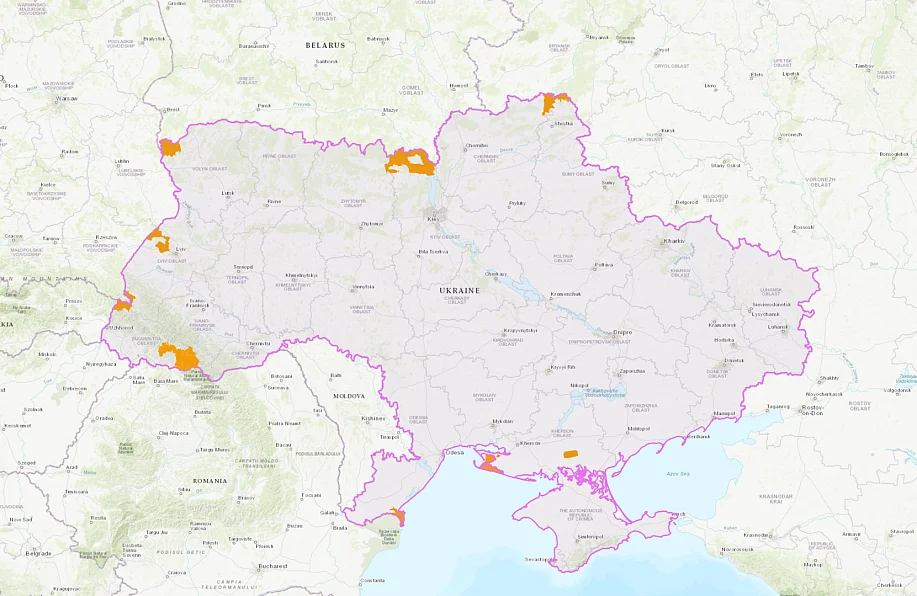
Conference at the Chornobyl REBR in September 2023
On 27 September 2023, the Chornobyl Radiation and Ecological Biosphere Reserve organised an international online conference on the topic “Environmental Damage Assessment. Post-War Recovery”, to which the project team was invited to contribute with a presentation on ecosystem restoration by P. Ibisch and a presentation on the initial findings of the workshop by A. Dichte. Below you will find the agenda for the meeting and A. Dichte’s presentation.
Conference at the Carpathian Biosphere Reserve in November 2023
The project team was able to contribute to an international scientific and practical conference organised by the Carpathian Biosphere Reserve on the topic: ‘The Role of Biosphere Reserves and Other Protected Areas in the Implementation of the Sustainable Development Strategy in Ukraine’, at which the results of the workshop were presented under the title: Dichte A., Ibisch P.L. ‘Reflections on the role of UNESCO biosphere reserves in times of war – Learning from Ukraine’. The conference proceedings can be found below.
In addition, two members of the project team visited the Carpathian Biosphere Reserve in October for a stakeholder meeting and a field trip. They were able to assess the situation and discuss potential collaborations. (see also the CBR’s Facebook post)
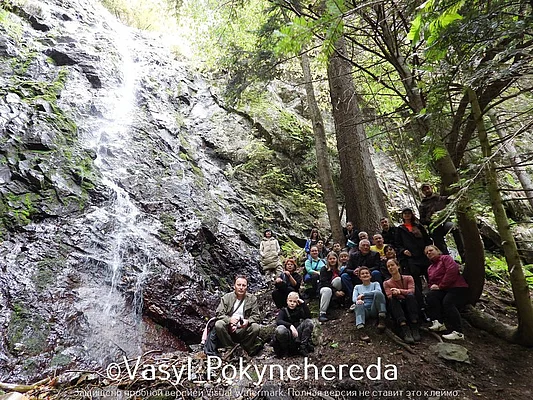
Impressions from the visit and meeting in the Carpathian Biosphere Reserve, Ukraine
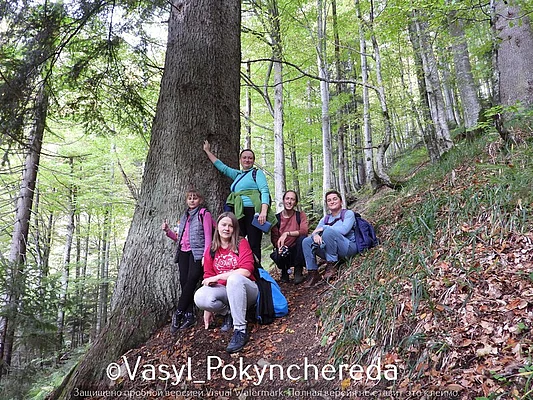
Impressions from the visit and meeting in the Carpathian Biosphere Reserve, Ukraine
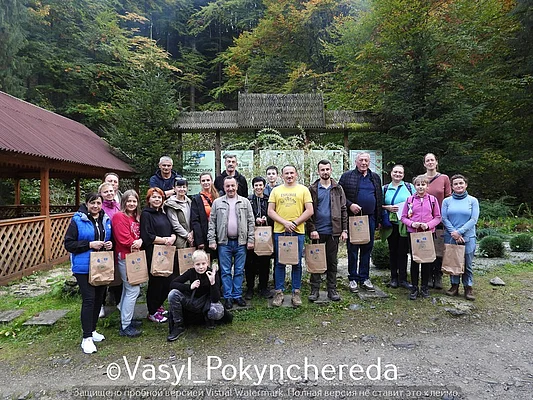
Impressions from the visit and meeting in the Carpathian Biosphere Reserve, Ukraine
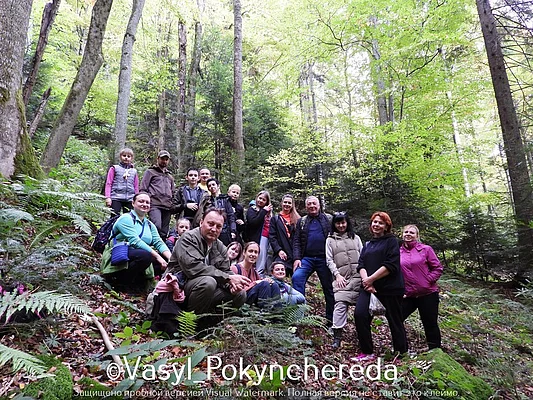
Impressions from the visit and meeting in the Carpathian Biosphere Reserve, Ukraine
Funding bodies
Partner Institutions
Links to partner organisations
- Ukrainian National Forestry University (Ukraine)
- National Transport University (Ukraine)
- Zhytomyr Polytechnic State University (Ukraine)
- Moldova State University (Moldova)
- Carpathian Biosphere Reserve (Ukraine)
- Chornobyl Radiation and Ecological Biosphere Reserve (Ukraine)
- NEW: National Psychological Association of Ukraine