

Biosphere Reserves Institute
For the sustainable development of biosphere reserves worldwide
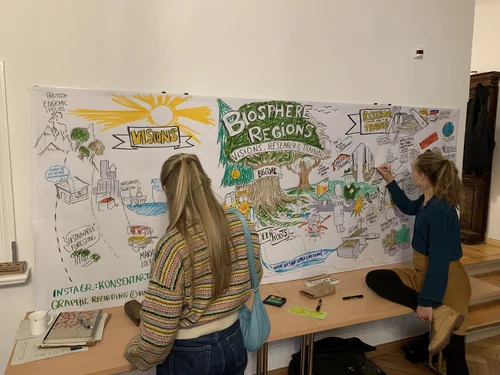
The Biosphere Reserves Institute (BRI) is a scientific institution at HNEE that was founded in 2019 to strengthen UNESCO Biosphere Reserves and the scientific underpinning of the UNESCO "Man and the Biosphere programme" through education, research and networking. Using interdisciplinary and transdisciplinary approaches, the BRI develops innovative solutions for the challenges in biosphere reserves and trains specialists for a sustainable future.
History
Foundation and key milestones of the Biosphere Reserve Institute
The Biosphere Reserves Institute was initially established as HNEE’s contribution to the biosphere.center, a partnership between Nationale Naturlandschaften e. V., the Michael Succow Foundation, and HNEE, launched in 2017. At HNEE, several professors and academic units – including the Centre for Econics and Ecosystem Management and the Centre for Sustainable Tourism – initiated this partnership with the aim of strengthening and coordinating their support for UNESCO Biosphere Reserves. The founding directors of the BRI were Prof. Dr. Vera Luthardt and Prof. Dr. Pierre Ibisch (Academic Directors), with Uli Gräbener serving as Managing Director.
In 2019, a group of HNEE professors successfully received a grant from the Ministry of Science, Research and Culture of the State of Brandenburg (MWFK) for the project “Process Design for the Implementation of Biodiversity-Conserving Land Use – Focus on Biosphere Reserves (ProBio-LaB)”. This grant was instrumental in further developing the BRI, enabling the establishment of new professorships, PhD research projects, and the master’s programme Biosphere Reserves Management (BIOM).
In 2020, the BIOM master's programme started, welcoming 19 students from seven countries.
In 2022, the BRI organised the international conference "Science and Research in, for and with UNESCO Biosphere Reserves", bringing together more than 100 early-career researchers, biosphere reserve managers, and national and international experts. The conference played a key role in positioning the BRI as a platform for advancing international research in biosphere reserves. Its main outcome was the Eberswalde Declaration, a call to revitalise the MAB Programme’s focus on research, knowledge-sharing, training, and education, which was endorsed by the UNESCO MAB Secretariat.
In the same year, the biosphere.center was integrated into the BRI, and the Michael Succow Foundation and Nationale Naturlandschaften e. V. became privileged partners.
In 2024, the IKC-ProBIoLab project was successfully concluded, marking the same year in which the BRI was designated a UNESCO Category 2 Institute under the auspices of UNESCO.
Key activities
- Education and Professional Development
The international and interdisciplinary master's degree programme Biosphere Reserves Management qualifies specialists for the sustainable management of biosphere reserves.
The BRI also runs professional development courses and exchanges for practitioners and supports doctoral transdisciplinary research in biosphere reserves.- Research
A research group coordinates projects on challenges in biosphere reserves and fosters knowledge exchange between scientists, practitioners and decision-makers to develop sustainable solutions.
- Networking and Outreach
By working closely with partners from science, policy and practice worldwide, we ensure that research informs policy and practice.
With our activities, we promote dialogue, strengthen cooperation and engage in key intergovernmental processes that shape biosphere reserve policy and implementation.- Governance
Our governance fosters participation and sustainable development. Through collaboration with our international Governing Board, partner NGOs, and biosphere reserves, the BRI provides a dynamic transdisciplinary environment in which members can flourish while actively contributing to the institute and vice versa.
News
Publications
- Featured Publication
Soares, C., Owusu, A., Neidert, P., Musekwa, K., Wilson, J., Klaver, M., & Molitor, H. (2026). A visitor-based tool for assessing the social and physical carrying capacity for sustainable tourism in protected areas. Nature’s Letters, 3: 136-151. https://nvt.org.za/natures-le
List of all publications at the BRI
- 2026
Soares, C., Owusu, A., Neidert, P., Musekwa, K., Wilson, J., Klaver, M., & Molitor, H. (2026). A visitor-based tool for assessing the social and physical carrying capacity for sustainable tourism in protected areas. Nature’s Letters, 3: 136-151. https://nvt.org.za/natures-le
Griestop, C., Kleegrewe, M., De Carlo, F., Fiala, V., Eich, L., Welp, M., Mann, C., Ferreira, A.F. (2026).
Citizen Science in European UNESCO Biosphere Reserves. Workshop Proceedings. Biosphere Reserves Institute, Eberswalde University for Sustainable Development. doi.org/10.57741/opus4-1014Kaiser, C., Meuer, K., Welp, M., Hope, K.N., Agyeman, Y.B. & Cremer, T. (2026).
Evaluating agroecological practices using the FAO TAPE (tool for agroecological performance evaluation): a case study of the Lake Bosomtwe Biosphere Reserve, Ghana.
Frontiers in Sustainable Food Systems, 10. https://doi.org/10.3389/fsufs.2026.16656952026- 2025
Aschenbrand, E., Haddad, S. F., Romera Puga, M. C., Maneja Zaragoza, R., & Cerialo, K. (2025).
Exploring implementation differences of UNESCO policy among 38 biosphere reserves across 14 Mediterranean countries.
Ecosystems and People, 21(1). https://doi.org/10.1080/26395916.2025.2593914Mariano, B. J. S., Sy, E. Y., Pabico, L. A., Bacani-Tabi, N., Loor, C. G., & Matias, D. M. (2025).
Examining the social-ecological dimensions of Philippine pangolin (Manis culionensis) conservation.
Discover Conservation, 46(2). https://doi.org/10.1007/s44353-025-00069-5Aschenbrand, E., Cisani, M., Meneghello, S., & Chance, J. (2025).
Heritage and landscape narratives: How rural stereotypes are shaping UNESCO biosphere reserves.
Tourism Geographies, 1–18. https://doi.org/10.1080/14616688.2025.2581191Spence, D. S., Reed, M. G., Robson, J. P., Currie, B., Rosenberg, E., Merry, M., & Gengelbach, J. (2025).
Intercultural networks deepen learning for transformative sustainability education: Lessons from co-designing transdisciplinary international learning labs.
Current Opinion in Environmental Sustainability, 76, 101567. https://doi.org/10.1016/j.cosust.2025.101567Witt, G., Zscheischler, J., Dabard, C., Mann, C., Bernzen, A. (2025).
Conceptualising destination degrowth for sustainable tourism development in three German biosphere reserves.
Tourism Geographies, 1–17. https://doi.org/10.1080/14616688.2025.2581192Dabard, C.H., Mann, C., Martín-López, B. (2025).
Biosphere Reserves as catalysts for sustainability transformations: five strategies to support place-based innovation.
Current Opinion in Environmental Sustainability, 73, 101508. https://doi.org/10.1016/j.cosust.2025.101508- 2022
Aschenbrand, E., Gräbener, U., Ibisch, P.L., Luthardt, V., Matias, D.M. & Mutschler, L.-M. (2022)
Science and Research In, For, and With UNESCO Biosphere Reserves. Conference Proceedings. Biosphere Reserves Institute, Eberswalde University for Sustainable Development. https://doi.org/10.57741/opus4-832
Projects
The BRI team is involved in numerous research and outreach projects that encompass research and development, the interface between science and policy, as well as networking and training of practitioners. These projects provide valuable learning opportunities on the various aspects of biosphere reserves and the UNESCO network. They also provide important insights into how research findings can be integrated into practice and political decision-making processes.

Team
Board of Directors
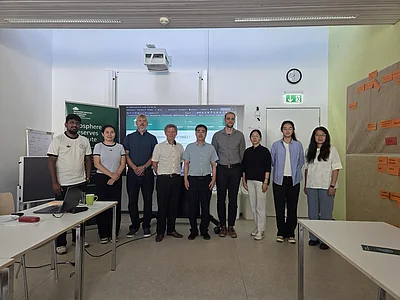
The Biosphere Reserves Institute is managed by the academic and managing directors. Academic directors are elected every three years, with one serving as the General Director of the BRI. The current General Director is Prof. Dr. Carsten Mann.
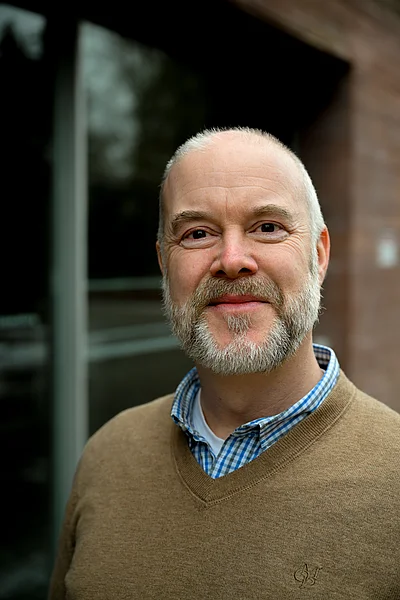
Prof. Dr. Carsten Mann
Professorship of Sustainable Forest Resource Economics
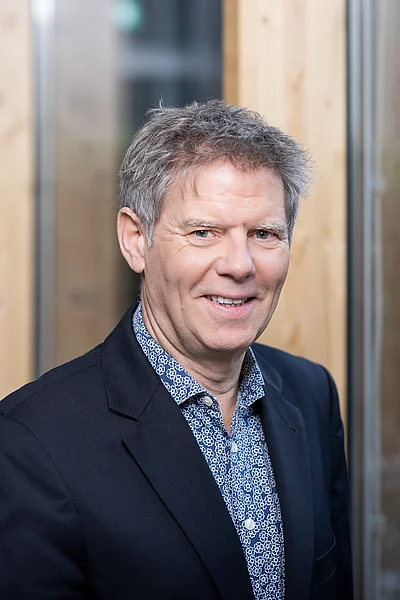
Prof. Dr. Jan-Peter Mund
Professorship in GIS and Remote Sensing
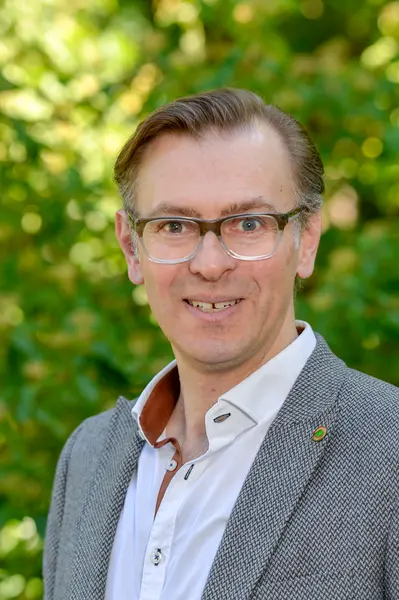
Prof. Dr. Martin Welp
Professorship in Socioeconomics and Communication
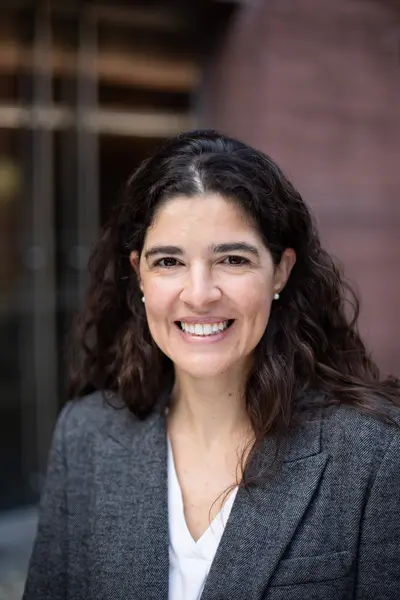
Dr. Ana Filipa Ferreira
Managing Director Biosphere Reserves Institute
Members
HNEE professors who are scientifically recognised in the objectives and tasks of the Biosphere Reserves Institute can apply for BRI membership.
Prof. Dr. Katja Arzt – professorship in Sustainable Regional Development and Social Processes
Prof. Dr. Erik Aschenbrand – professorship in International Nature Conservation and UNESCO Biosphere Reserves
Prof. Dr. Martin Balás – professorship in Sustainable Destination Management
Prof. Dr. Claudia Brözel – professorship in Tourism Economics and Tourism Marketing
Prof. Dr. Tobias Cremer – professorship in Forest Utilisation and Timber Markets
Prof. Dr. Vera Luthardt (professor emeritus) – professorship in Vegetation Science and Applied Plant Ecology
Prof. Dr. Carsten Mann – professorship in Sustainable Forest Resource Economics
Prof. Dr. Denise Margaret Matias – professorship in Ecosystem-based Transformation Management in UNESCO Biosphere Reserves
Prof. Dr. Georg Miribung – professorship in Law and Politics in the Forest and Environmental Sector
Prof. Dr. Heike Molitor – professorship in Environmental Education and Education for Sustainable Development
Prof. Dr. rer. nat. Jan-Peter Mund – professorship in GIS and Remote Sensing
Prof. Dr. Heike Walk – professorship in Sustainability Transformation and Participative Governance
Prof. Dr. Martin Welp – professorship in Socioeconomics and Communication
Associate Members
Assigned academic staff are associate members of the Biosphere Reserves Institute.
Other people can apply for membership if they contribute to the fulfilment of the institute's objectives.
Dr Ana Filipa Ferreira – Managing Director, Biosphere Reserves Institute
Prof. Dr Aline Kühl-Stenzel – Honorary Professor, Master's programme in Biosphere Reserves Management (BIOM)
Kirsten Meuer – PhD Researcher / Project Coordination - Integration of Wild Plants into Agroforestry Systems in Ghana
Charlotte Griestop – PhD Researcher / Project Coordination International Workshops for European UNESCO Biosphere Reserves
Luzmila Rosales – PhD Researcher
Governing Board
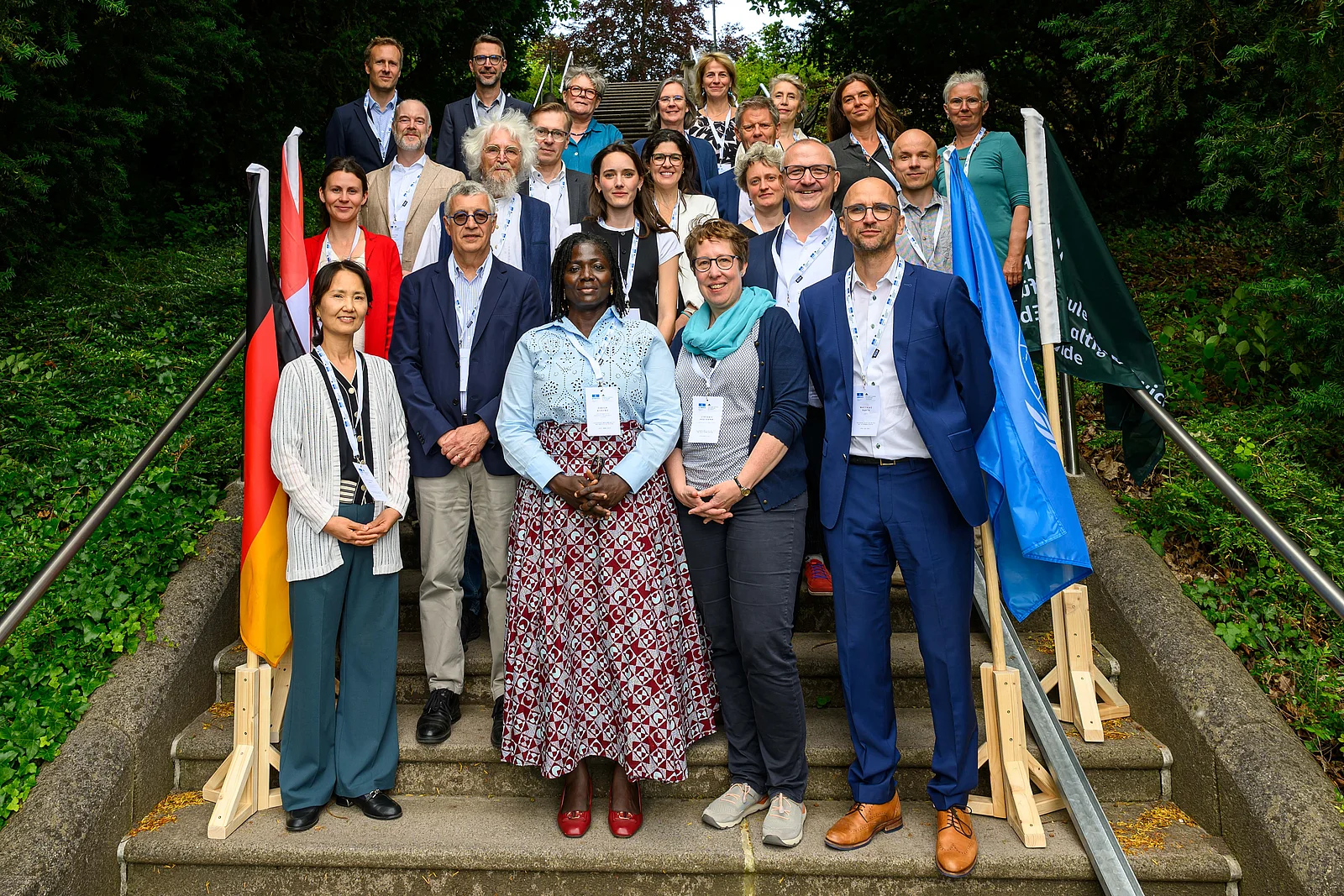
The Governing Board serves as a supervisory and advisory board of the BRI. Its current composition includes representatives of different organisations and of UNESCO member states, in accordance with the Tripartite Agreement between Eberswalde University for Sustainable Development, the Federal Republic of Germany and UNESCO, regarding the designation of the Biosphere Reserves Institute as a Category 2 Institute under the auspices of UNESCO.
Members of the Governing Board
Representative of the Director-General of UNESCO:
Dr Lidia Brito – Assistant Director-General for Natural Sciences, UNESCO
Dr António Abreu (deputy) – Director of the Division of Ecological and Earth Sciences in the Natural Sciences Sector, UNESCO
Representative of the Federal Government of Germany:
Dr. Stefanie Hedtkamp - Federal Ministry for the Environment, Climate Action, Nature Conservation, and Nuclear Safety / Chair of the German MAB National Committee
Representative of the German Commission for UNESCO:
Dr Lutz Möller – Deputy Secretary-General of the German Commission for UNESCO
Representatives of the privileged partners of the Institute:
Prof. Dr. Hannes Knapp – Deputy Chair of the Board of Trustees, Michael Succow Foundation
Mr Peter Südbeck – Chairman of the Board of the National Natural Landscapes Association
Dr Neele Larondelle (deputy) – Deputy Managing Director, National Natural Landscapes Association
President of Eberswalde University for Sustainable Development:
Prof. Dr. Matthias Barth
Representatives of Member States or Associate Member States:
Prof. Dr. Maureen Reed – Distinguished Professor at the University of Saskatchewan / UNESCO Co-Chair in Biocultural Diversity, Sustainability, Reconciliation and Renewal. Representative of Canada
Ms. Sheila Ashong - Acting Director of Natural Resources, Environmental Protection Authority, Ghana. Representative of Ghana
Dr Suk-Kyung Shim – Director of the Institute for Human and Nature, Republic of Korea. Representative of the Republic of Korea
Dr Tania Moreno – UNESCO Chair Biosphere Reserves and Natural World Heritage Sites, University for International Cooperation, Costa Rica. Representative of Costa Rica
Partner
The BRI's partner network includes biosphere reserves, NGOs, universities and colleges, which create an ideal environment for knowledge exchange and joint projects.


Biosphere reserves and regions
Whether in knowledge transfer, joint research projects or the training of specialists - biosphere reserves and regions are active partners of the Biosphere Reserves Institute and work with us to shape the path to a sustainable future.
Lower Saxony Wadden Sea Biosphere Region
The Lower Saxony Wadden Sea Biosphere Region combines unique natural areas such as mudflats, dunes and salt marshes with a rich cultural landscape of lighthouses, harbours and historic buildings - a special interplay of nature and man.
Schorfheide-Chorin Biosphere Reserve
The Schorfheide-Chorin biosphere reserve is one of the largest protected areas in Germany - characterised by ancient beech forests, clear water lakes, moors and a cultural landscape that has evolved over time. As a model region for sustainable development, it combines nature conservation, ecological land use and environmentally friendly tourism in an exemplary way.
Carpathian Biosphere Reserve
The Carpathian Biosphere Reserve covers large parts of the Carpathian region in Central and Eastern Europe. It is characterised by an impressive variety of natural landscapes, from dense forests to untouched mountain systems. The reserve promotes the protection of the region's unique flora and fauna as well as sustainable agricultural use and traditional ways of life
Middle Elbe Biosphere Reserve
The Middle Elbe Biosphere Reserve is the oldest UNESCO biosphere reserve in Germany and protects one of the last near-natural floodplain landscapes in Central Europe. Along the Elbe, it combines diverse habitats with traditional land use and sustainable regional development - a model area for the interaction between man and nature.
Spreewald Biosphere Reserve
The Spreewald biosphere reserve is known for its unique network of rivers, traditional scattered settlements and an exceptionally species-rich cultural landscape. It combines living Sorbian culture with sustainable land use, a regional economy and the protection of valuable wetlands
Schaalsee Biosphere Reserve
The Schaalsee biosphere reserve combines species-rich lake landscapes, moors and forests with a diverse cultural landscape - a model area for sustainable regional development in the former inner-German border region.
Thuringian Forest Biosphere Reserve
The Thuringian Forest biosphere reserve comprises typical low mountain range landscapes with extensive forests, species-rich mountain meadows and traditional forms of utilisation. It serves to protect natural resources and promote sustainable regional development in the Thuringian low mountain range.
Contact
Dr. Ana Filipa Ferreira
Managing Director Biosphere Reserves Institute
Whether you have a press enquiry, scientific exchange, project idea or general interest, we are happy to be your point of contact.
As part of the university, we connect research, practice and education related to UNESCO biosphere reserves worldwide.
Please feel free to contact us via email – we look forward to hearing from you.